Fushimi Area Guide: Nagoya’s Practical Middle Ground
A decision-first Fushimi Nagoya guide covering station orientation, museums, hotel fit, route cards, a mapped half-day walk, and practical fallbacks.
A decision-first Fushimi Nagoya guide covering station orientation, museums, hotel fit, route cards, a mapped half-day walk, and practical fallbacks.
Fushimi is the best central Nagoya base for travelers who want to walk to museums, reach both Nagoya Station and Sakae without changing trains, and sleep somewhere calmer than the city’s main nightlife district. It is not the best choice for a 6:00 a.m. Shinkansen, nor for visitors who want department stores and late-night entertainment immediately outside the hotel. Its strength is balance.
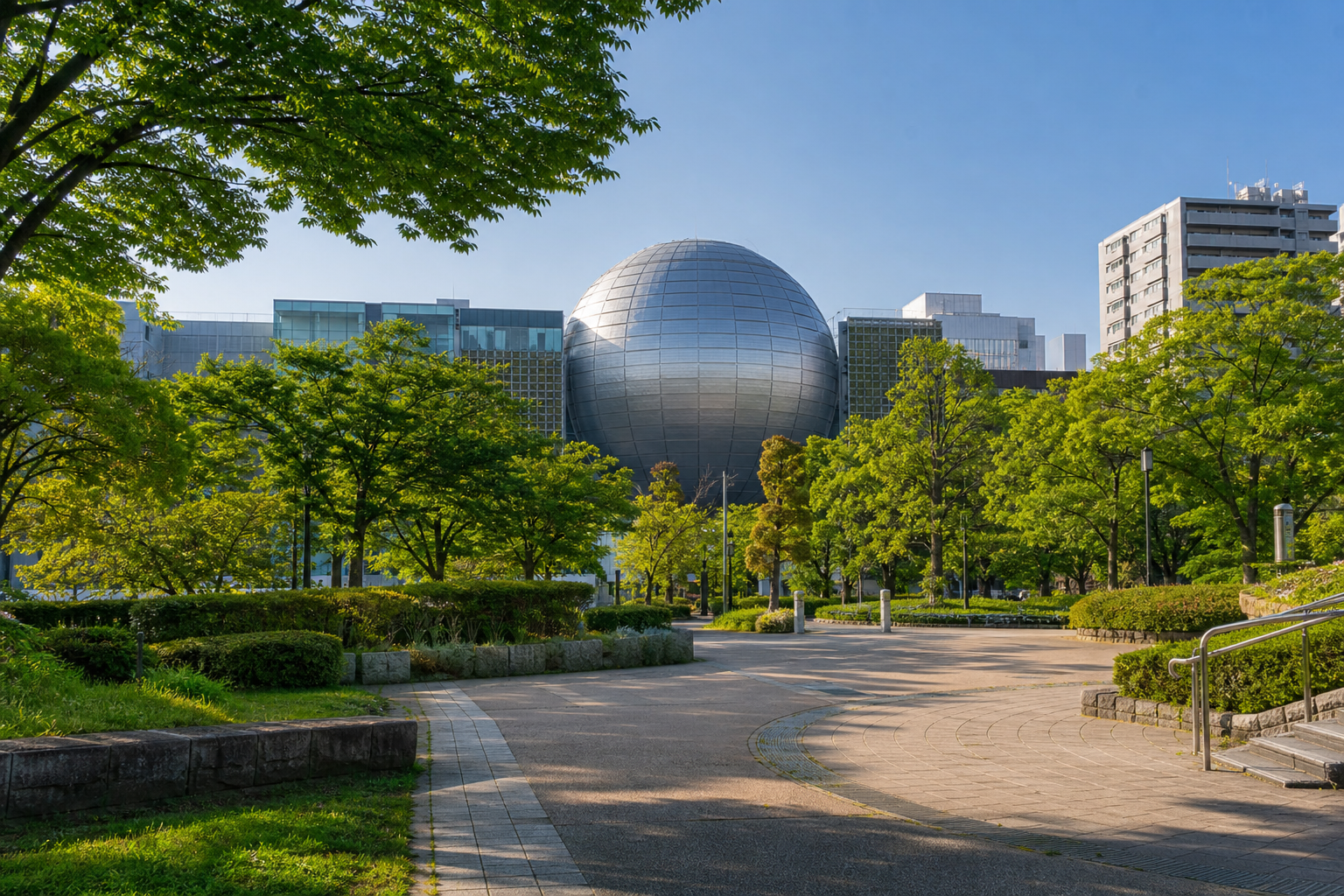
From Fushimi Station, the Higashiyama Line runs directly west to Nagoya Station and east to Sakae. The Tsurumai Line adds a north–south connection toward Osu-Kannon. Above ground, Shirakawa Park, the FUJI Nagoya Science Museum, Nagoya City Art Museum, Misonoza theater and a dense office-district restaurant scene fit into a compact walking area.
Best for: museum-focused visits, couples who prefer quieter evenings, business-plus-leisure trips, and repeat visitors who value central access over spectacle.
Skip it if: your main priority is the earliest Shinkansen, all-night entertainment, or a neighborhood with major shopping complexes at the door. Compare those needs in our Where to Stay in Nagoya guide.
Current-source box
> Last checked: August 1, 2026. Opening days, exhibition schedules, planetarium admission procedures and transit products can change. Recheck the official Visit Nagoya Fushimi and Sakae overview, FUJI Nagoya Science Museum listing, Nagoya City Art Museum, Nagoya Transportation Bureau, and the venue page for Misonoza before travel. Do not build a fixed itinerary around a special exhibition or performance until its date and ticket are confirmed.
The official tourism guide describes Fushimi as the home of the science museum’s 35-meter planetarium dome, the art museum in Shirakawa Park, Misonoza and popular dining. That is a useful summary, but the traveler decision is simpler: Fushimi works because those daytime attractions sit between the two central districts most visitors use.
Fushimi in one decision
| Choose Fushimi when… | Choose Meieki instead when… | Choose Sakae instead when… |
|---|---|---|
| You want museums and a calm, central hotel | You have an early train or heavy luggage | Nightlife and shopping are the trip’s focus |
| You expect to divide time between Nagoya Station and Sakae | You want airport and Shinkansen transfers with minimal walking | You want Oasis 21 and Hisaya-odori at the door |
| A direct two-line subway station is more useful than a huge rail hub | You are taking several day trips by JR | You expect to stay out after the subway closes |
| You prefer office-district dining to a tourist entertainment zone | Station navigation convenience matters most | Maximum evening choice matters most |
For a detailed look at the western hub, use the Meieki area guide. For the eastern downtown alternative, see the Sakae area guide.
Orientation: which side of the station fits your trip?
Fushimi Station is at the crossing of Hirokoji-dori and Fushimi-dori. Treat those avenues as your compass rather than memorizing every exit.
South and southeast lead toward Shirakawa Park and the major museum pair. This is the most useful side for daytime sightseeing. The walk is roughly 10 minutes, depending on the exit, traffic lights and your destination within the park.
East leads toward the office blocks and onward to Sakae. A walk all the way to central Sakae is realistic—roughly 15–25 minutes—but taking one Higashiyama Line stop is smarter in rain, summer heat or with luggage.
West points toward Nagoya Station. It is a straight urban corridor, but most travelers should use the direct subway rather than spend 25–35 minutes walking beside broad commercial roads.
North is useful for Misonoza and businesses around the station. Confirm the venue entrance and your station exit on the day; construction and temporary closures can alter the easiest path.
<!-- route-map:v2 {"title":"Fushimi half-day orientation walk","mode":"walking","center":[35.1664,136.8993],"zoom":15,"stops":[{"name":"Fushimi Station","lat":35.1694,"lng":136.8975,"note":"Start on the Higashiyama or Tsurumai Line"},{"name":"Electricity Museum","lat":35.1685,"lng":136.9003,"note":"Free indoor fallback; confirm opening calendar"},{"name":"FUJI Nagoya Science Museum","lat":35.1650,"lng":136.8997,"note":"Allow substantial time; planetarium procedures vary"},{"name":"Nagoya City Art Museum","lat":35.1646,"lng":136.9013,"note":"Check current exhibition and closure days"},{"name":"Osu-Kannon Station","lat":35.1607,"lng":136.8980,"note":"Optional finish for Osu or return via Tsurumai Line"}]} -->
Transit route cards
Nagoya Station to Fushimi
- Route: Higashiyama Line toward Fujigaoka; Fushimi is one direct stop after Nagoya.
- Practical time: allow about 10–15 minutes from a hotel or rail platform once station walking and waiting are included; the train ride itself is only a few minutes.
- Why it works: no transfer and no need to navigate another large rail complex.
- Caveat: Nagoya Station transfer corridors are long. Budget more time with luggage, children or reduced mobility.
Sakae to Fushimi
- Route: Higashiyama Line toward Takabata; Fushimi is one direct stop.
- Alternative: walk along the central grid when weather and mobility allow.
- Decision: use the subway for speed; walk when the city itself is part of the experience.
Fushimi to Osu
- Route: Tsurumai Line one stop south to Osu-Kannon.
- Alternative: walk through Shirakawa Park and continue south.
- Best use: combine a museum morning with the covered shopping streets described in our Osu guide.
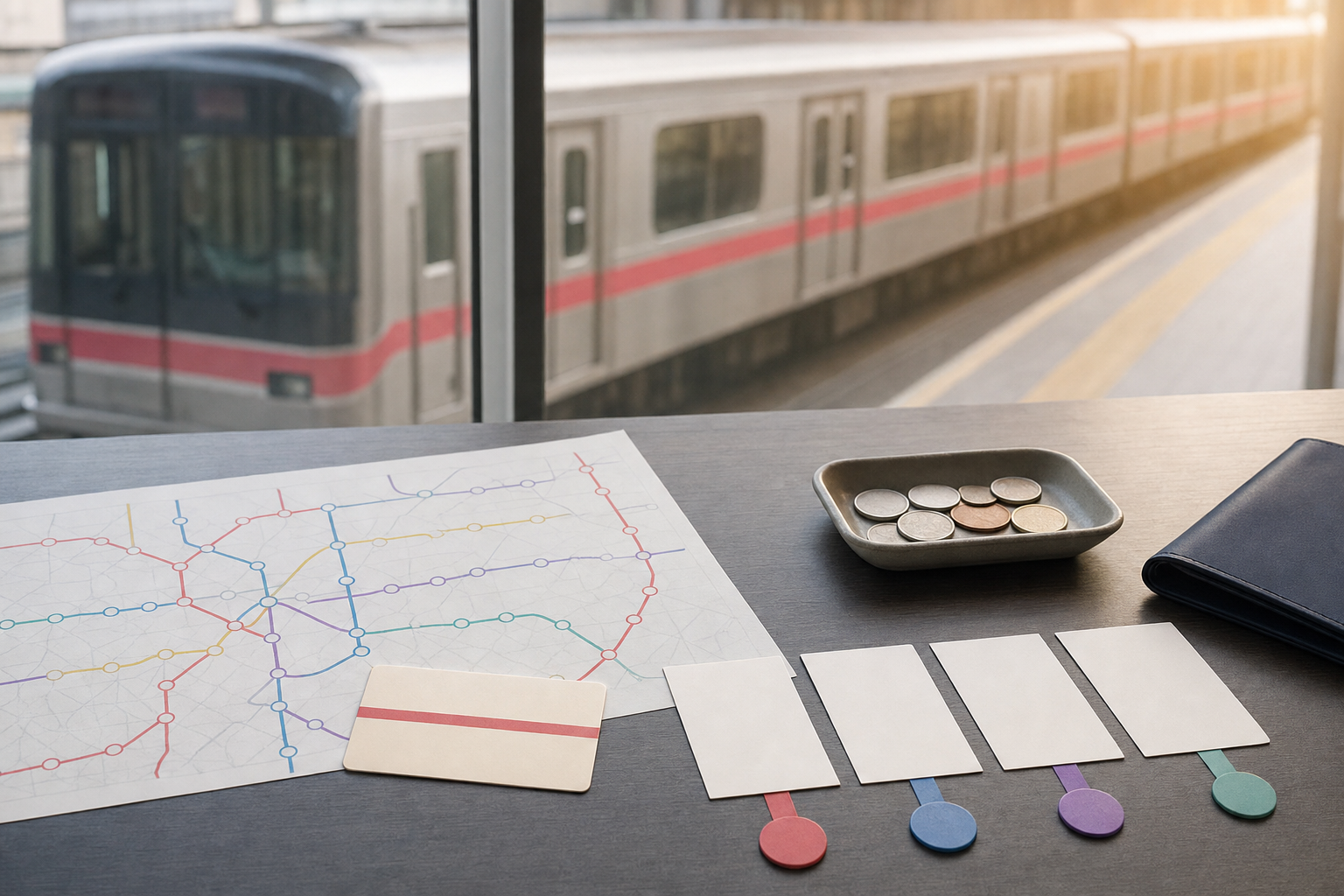
Use an IC card for simple point-to-point travel. If making several rides, compare the day’s actual plan with current one-day and 24-hour products on the Transportation Bureau site; ticket names and validity rules have changed over time, so old blog posts are not a safe purchase guide.
What to do: prioritize rather than collect sights
FUJI Nagoya Science Museum
The science museum is the area’s anchor. Its spherical structure houses a 35-meter planetarium dome, and the complex includes large-scale exhibits such as a simulated tornado and a cold-room aurora display. This is not a quick photo stop.
Reserve at least two to three hours for the exhibition floors, and more if the planetarium is important. The official English material lists adult admission at ¥800 for the museum-and-planetarium combination, while junior-high-school-age visitors and younger are free; verify the current ticket categories and same-day procedure before relying on that figure. Planetarium programs are generally presented in Japanese, so decide whether the visual experience is worth the scheduled commitment for your group.
The common mistake is arriving late in the afternoon and assuming every program remains available. Check the official calendar, closing time, last admission and planetarium sales process that morning.
Nagoya City Art Museum
The art museum sits across Shirakawa Park in a Kisho Kurokawa-designed building. Its collection includes École de Paris, Mexican Renaissance and contemporary art, while temporary exhibitions rotate. The official tourism listing gives standard opening hours of 9:30 a.m.–5:00 p.m., with Friday opening to 8:00 p.m. except national holidays and last admission 30 minutes before closing. Treat those as planning guidance, not a promise: exhibition changes and maintenance closures can override normal hours.
Choose the art museum over the science museum when you have only 60–90 minutes, prefer a quieter visit, or the current exhibition specifically interests you. Do not assume one admission price covers every temporary exhibition; check the official museum page.
Electricity Museum
Chubu Electric Power’s Electricity Museum is a useful free, indoor fallback close to Fushimi Station. Its English brochure describes free admission and access about two minutes east of Exit 4. It works particularly well when rain disrupts the park, when a museum closure creates a gap, or when a family wants a shorter science stop.
Because corporate museums can close for maintenance or special dates, confirm the official Electricity Museum page rather than treating “free” as “always open.”
Misonoza
Misonoza gives Fushimi cultural weight beyond museums, hosting kabuki and other stage performances. It is only a practical itinerary anchor if you have checked that day’s production, ticket availability, language accessibility and running time. Without a ticket, appreciate the distinctive building and move on; do not leave an unplanned three-hour hole in the day hoping for entry.
A realistic half-day route
| Time | Stop | What to do | Decision or fallback |
|---|---|---|---|
| 9:20 | Fushimi Station | Exit toward Shirakawa Park | If raining heavily, begin at the Electricity Museum after confirming opening |
| 9:30–12:00 | Science Museum | Main exhibits; add planetarium only with a workable session | Art-first travelers can reverse the two museums |
| 12:00–13:00 | Lunch near Fushimi | Choose a business-district set meal or Nagoya specialty | Avoid waiting for one famous shop when your next entry is timed |
| 13:10–14:30 | Art Museum | Permanent or temporary exhibition | Check current exhibition and closure calendar first |
| 14:30–15:00 | Shirakawa Park | Short reset and route decision | In extreme heat, skip the exposed park pause |
| After 15:00 | Osu or Sakae | Walk south to Osu, or return to Fushimi for Sakae | Pick one; trying both turns the afternoon into transit |
This route fits naturally inside a broader Nagoya one-day itinerary, but only if you choose one major museum rather than attempting every floor of both.
Food and evening strategy
Fushimi is an office district: weekday lunch sets can be efficient, while venues fill after work and Sunday choices may thin out. The Fushimi Underground Shopping Arcade near the east ticket gate offers weather-protected options, but each business keeps its own hours. Verify ingredients if you have dietary restrictions; red miso sauces may contain fish stock, meat or alcohol. For late nightlife, Sakae has the stronger range. Note the final subway or budget for a taxi, and save two suitable restaurants before leaving the hotel.
Should you stay in Fushimi?
| Traveler | Fit | Hotel-location test |
|---|---|---|
| First-time couple, 2–3 nights | Excellent | Within a 5-minute walk of Fushimi Station, preferably on the side matching your main sights |
| Museum-focused family | Very good | Favor Shirakawa Park side, but verify room size and breakfast rather than brand alone |
| Early Shinkansen traveler | Fair | Stay at Meieki for the final night if departure stress matters |
| Nightlife-focused group | Fair | Sakae is more convenient after trains stop |
| Business traveler adding one leisure day | Excellent | Direct station access plus walkable dinner choices is the key combination |
| Traveler with large luggage | Good with care | Avoid properties requiring long crossings or stairs; confirm elevator route with the hotel |
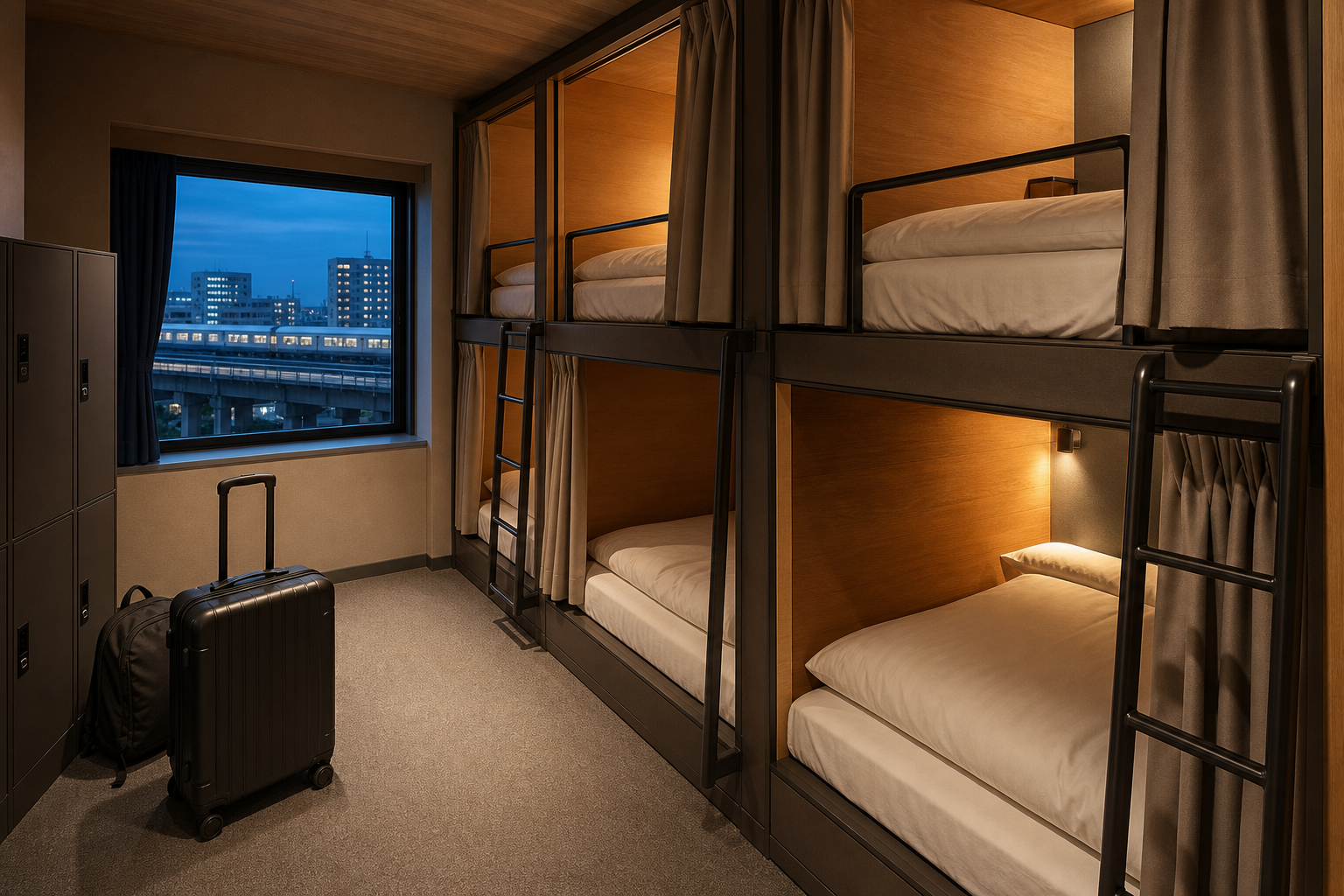
Fushimi hotel rates fluctuate sharply with weekends, events and room inventory, so a static “typical price” would mislead. Compare an exact room, date, tax treatment, cancellation rule and walking route. A cheaper room ten minutes from the wrong station exit may be worse value than a slightly higher rate beside an elevator-accessible entrance.
Rain, heat and late-night fallback plans
In rain, use the subway even for one stop and choose the Electricity Museum or one paid museum. In summer heat, move outdoor walking to morning or late afternoon, carry water and follow official warnings; stop for dizziness, confusion or nausea. Check your government’s current Japan travel advisory before departure. Tourist scams are not the defining risk here, but keep valuables secure and reject unsolicited payment or nightlife approaches. Note the final subway before dinner and keep your hotel address in Japanese. After trains stop, use a licensed taxi. Call 110 for police or 119 for fire and ambulance, and use Japan Safe Travel Information for official emergency guidance. Contact your nearest embassy or consulate for lost travel documents, detention or consular emergencies; they do not replace local emergency services.
Practical checklist
- Confirm the science museum, planetarium and art museum calendars separately.
- Save the exact station exit and elevator route for your hotel.
- Choose one anchor museum, not both by default.
- Keep an IC card ready; compare passes only after counting the day’s rides.
- Save two restaurants that match your dietary needs and schedule.
- Carry some cash even though many central businesses accept cards.
- Check weather warnings before a park-heavy plan.
- If seeing a Misonoza performance, confirm ticket, start time and duration before building the rest of the day.
Common mistakes
Do not treat Fushimi as a checklist: its value is reducing backtracking. Check planetarium procedures, weekend restaurant hours and the weather before committing to a route. Map distances understate wide crossings, heat and luggage. Also specify “Fushimi Nagoya” in searches so you do not navigate toward Kyoto’s Fushimi district.
FAQ
Is Fushimi walkable from Nagoya Station?
Yes for travelers who enjoy urban walking and have light bags, but the direct Higashiyama Line is normally the better choice. Allow roughly 25–35 minutes on foot depending on the starting point and crossings.
Is Fushimi or Sakae better for a first visit?
Choose Fushimi for quieter nights, museums and balanced access. Choose Sakae for shopping, nightlife and a stronger evening atmosphere. They are one subway stop apart, so the hotel decision should reflect mornings and late nights rather than daytime access alone.
Can I visit both major museums in one day?
Yes, but it becomes a museum day rather than a broad city tour. Check both calendars, start at opening and add the planetarium only if its session fits.
Is Fushimi good for families and safe at night?
The science and electricity museums are strong family choices; verify program language, stroller access and timing. At night, use ordinary city precautions, stay aware around drinking venues and take a licensed taxi after trains end.
The editorial takeaway
Fushimi is not Nagoya’s loudest district, and that is precisely the point. It turns the space between Nagoya Station and Sakae into a useful base: two subway lines, major museums, credible rain fallbacks, and enough evening choice without making nightlife unavoidable. Choose it when your trip benefits from balance; choose Meieki or Sakae when one edge of that balance matters more.