Ise Grand Shrine from Nagoya: A Realistic Day-Trip Plan
A practical guide for international travelers on ise grand shrine day trip from nagoya, covering the best next steps, tradeoffs, and when to call a pro.
A practical guide for international travelers on ise grand shrine day trip from nagoya, covering the best next steps, tradeoffs, and when to call a pro.
A day trip from Nagoya to Ise Grand Shrine is practical if you leave early, visit Geku before Naiku, and resist adding Toba or Futami to the same day. The simplest plan is a Kintetsu limited express from Kintetsu-Nagoya to Iseshi or Ujiyamada, a short walk to Geku, then a local bus to Naiku. Allow roughly two hours each way once station time is included, and keep at least five hours in Ise.
Best for: travelers who want one culturally important destination, can walk several kilometres over uneven gravel, and are comfortable checking a return train before departure. Skip or simplify it: if severe weather is forecast, long walks are difficult, or your only available departure is late morning. In those cases, visit Naiku only or stay overnight in Ise.
> Current-source check — checked August 1, 2026: Reconfirm your exact trains with the Kintetsu route and fare tools and reserve any limited-express seat there. Check Ise Jingu’s official access page and Mie Kotsu local bus information on the day before travel. Shrine entry hours, train times, limited-express supplements, bus fares, and temporary restrictions can change. This guide deliberately uses planning ranges rather than pretending a sample departure is a live timetable.
The decision table: train, time, and tradeoffs
| Choice from Nagoya | Best for | Typical planning time | Cost logic | Skip if | Official check |
|---|---|---|---|---|---|
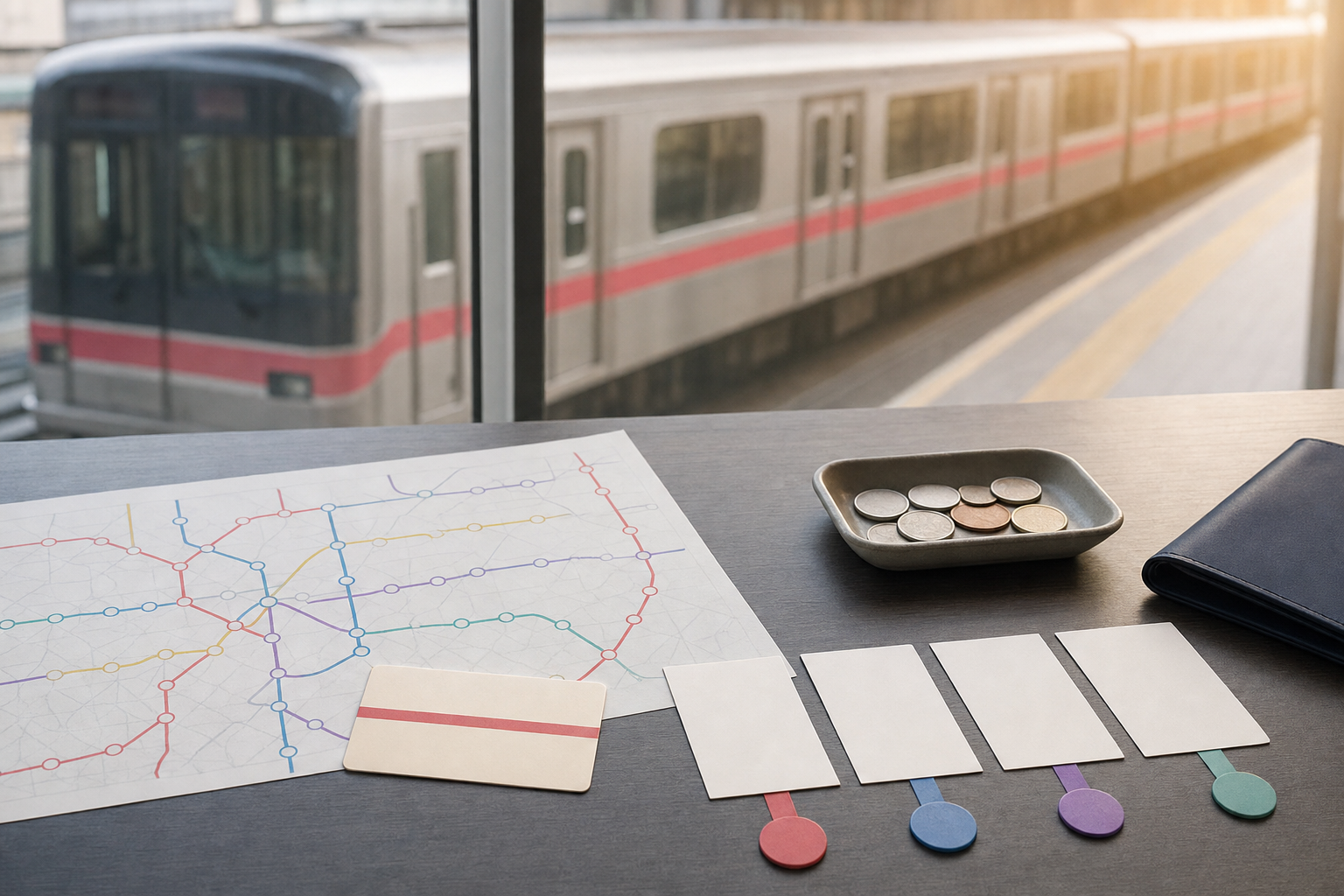
| Kintetsu limited express | Most first-time visitors | About 80–100 minutes to Iseshi/Ujiyamada, plus station buffer | Base fare plus reserved limited-express ticket; verify the current total | Reserved seats are sold out or you need maximum flexibility | Kintetsu English site |
| Kintetsu ordinary/express services | Budget-minded travelers who accept transfers | Often around 2–2.5 hours depending on connections | Base fare without the limited-express supplement | A missed connection would damage the day | Kintetsu route search |
| JR rapid service | JR pass holders or travelers starting near JR gates | Roughly 90–110 minutes on a suitable through service | Check whether your pass covers the full route; some services use non-JR track and can require an extra payment | You assume every segment is automatically covered | JR Central |
| Organized day tour | Travelers who value logistics over independence | Usually a full fixed day | One bundled price; inclusions vary | You want quiet time, flexible meals, or both shrines in traditional order | Tour operator plus each attraction’s official site |
Editorial judgment: for a single day, the Kintetsu limited express is usually worth the supplement. A reserved seat and a near-direct journey protect the hours that matter in Ise. A slow train can save money but creates a false economy if it turns Geku and Naiku into a rushed checklist.
Kintetsu sells the base ticket and reserved limited-express ticket as separate components. Do not board a limited express with only a standard fare ticket. Prices vary by route and train category, so use the official booking result as the 2026 price rather than relying on an old blog screenshot. The five-day Kintetsu Rail Pass may be useful only when Ise is part of a larger Kintetsu itinerary; it is rarely an automatic bargain for one isolated return trip. Compare the pass price, supplements, and all planned rides on the official pass page.
A timetable that leaves room for the shrine
This is a sequencing tool, not a promise that a train or bus departs at the stated minute.
| Time window | Action | Minimum time to protect |
|---|---|---|
| 07:00–07:30 | Arrive at Kintetsu-Nagoya, collect or display tickets, buy breakfast | 20 minutes |
| 07:30–09:15 | Limited express to Iseshi or Ujiyamada | Check the actual reservation |
| 09:15–09:35 | Walk to Geku from Iseshi, or use a short local connection from Ujiyamada | 15–25 minutes |
| 09:35–10:45 | Visit Geku | 60–70 minutes |
| 10:45–11:15 | Bus from Geku-mae toward Naiku-mae | Add queue and traffic buffer |
| 11:15–13:00 | Walk the Naiku precinct | 90–105 minutes |
| 13:00–14:30 | Lunch and Oharai-machi/Okage Yokocho | 60–90 minutes |
| 14:30–15:30 | Extra precinct time or early fallback departure | Keep this flexible |
| 15:30–16:15 | Bus to Ujiyamada or Iseshi | Do not target the last possible connection |
| 16:30–18:30 | Reserved return to Nagoya | Confirm before leaving Nagoya |
This order follows Ise Jingu’s own access guidance to visit Geku first and then Naiku. Geku and Naiku are separate precincts, not adjoining halls: budget for a bus ride between them. Trying to walk the whole distance wastes the useful middle of the day.
If you are building a longer Chubu plan, compare this full-day commitment with our Nagoya one-day itinerary. Ise should replace a Nagoya sightseeing day, not be squeezed into its evening.
Route card 1: Nagoya to Geku
Start: Kintetsu-Nagoya Station. It sits beside the larger Nagoya Station complex, but the entrance is not the JR Shinkansen gate. Arrive early enough to locate the correct railway, especially with luggage.
Book: a limited-express seat to Iseshi or Ujiyamada. Iseshi is usually the intuitive arrival for Geku because the shrine approach begins near the station. Ujiyamada is also useful and has local bus connections; choose by the actual train and return-seat availability, not by station name alone.
At Iseshi: follow signs toward Geku. The official regional tourism site describes the approach from Iseshi Station as about 400 metres. Store large luggage in Nagoya where possible. Coin-locker availability is never guaranteed, and dragging a suitcase across gravel is poor shrine etiquette and hard on wheels.
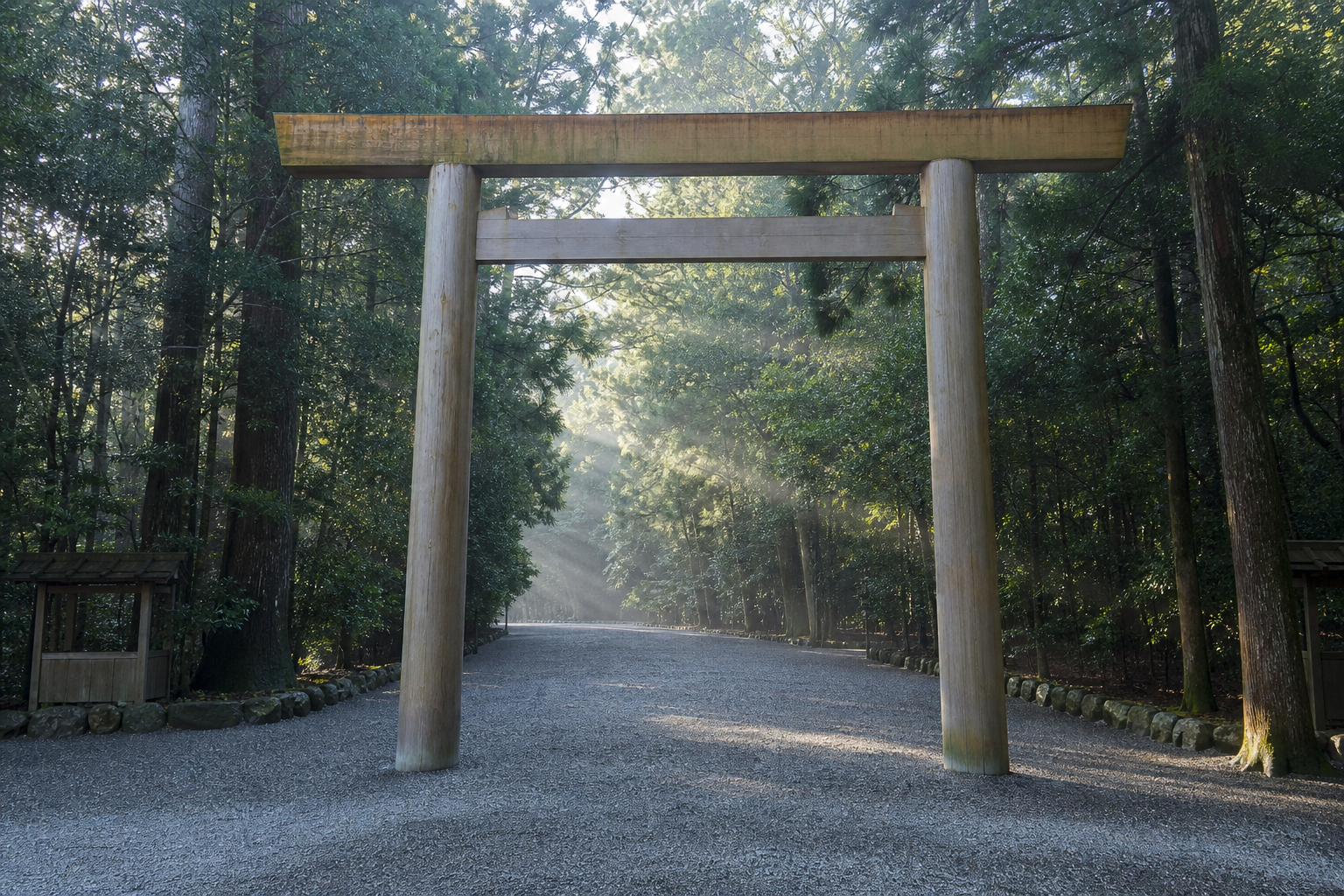
Geku visit: allow about an hour for the main approach and principal sanctuary area without turning worship into a sprint. Ise Jingu is a living Shinto sanctuary, not simply an architectural attraction. Walk calmly, keep voices low, and obey photography restrictions near sacred enclosures. The official overview explains that Jingu comprises 125 shrines centered on Geku and Naiku; a day trip samples the two principal precincts rather than “completing” the whole complex.
Route card 2: Geku to Naiku, then back to the railway
Transfer: use a Mie Kotsu bus from Geku-mae toward Naiku-mae. Service patterns and fares can change, particularly around ceremonies and peak dates. Check the official bus network and the stop display rather than copying an old platform number.
At Naiku: cross Uji Bridge and allow at least 90 minutes for the return walk to the principal sanctuary area. The route includes broad gravel paths and some steps. The precinct is wooded and can feel cooler than central Nagoya, but summer remains hot and humid. Carry water, while keeping eating and drinking to appropriate areas outside sacred approaches.
After the visit: Oharai-machi runs outside the Naiku entrance, with Okage Yokocho within it. The official Ise-Shima tourism page describes an approximately 800-metre historic approach lined with shops and restaurants. It is a sensible lunch stop, but shop hours can end earlier than urban travelers expect. Eat before browsing if it is already mid-afternoon.
Return: board a bus for Ujiyamada or Iseshi with enough margin for traffic and station navigation. Save the return train, departure station, and reservation in a screenshot. Aim for the bus before the one that merely “should” connect. On crowded weekends, a full bus or slow road can consume the buffer.
What the day costs
Use categories rather than a frozen total because operators update fares independently.
| Cost item | Planning rule | Avoid this mistake |
|---|---|---|
| Nagoya–Ise return rail | Price two base fares plus two limited-express reservations in Kintetsu’s current search | Counting only the seat supplement or only the base fare |
| Local buses | Budget for Geku–Naiku and Naiku–station; compare any current day pass only after checking covered routes | Buying a pass because its name sounds comprehensive |
| Shrine entry | Access to the main shrine precincts is generally not handled like a paid museum ticket; check official notices for special facilities or events | Confusing a private tour fee with shrine admission |
| Food | Carry a flexible cash/card budget for lunch and snacks around Oharai-machi | Depending on one famous shop with a long queue |
| Contingency | Keep funds for a taxi, earlier train change, or unplanned station purchase | Spending down to the last yen before the return |
A round trip by limited express is a meaningful transport expense. The correct comparison is not “train versus free”; it is the faster train versus a slower journey that removes one precinct or your lunch buffer. If your trip has three days in the city, our three-day Nagoya itinerary helps show where a full Ise day fits. If you want mountain-town streets rather than a major sacred site, compare the time profile with a Takayama day trip from Nagoya.
What to prioritize
At Geku, prioritize the principal approach and Shogu rather than racing through every subsidiary shrine. At Naiku, focus on Uji Bridge, the Isuzu River area, and the forested walk toward the principal sanctuary. Signs and staff instructions always override this guide, especially where photography is restricted.
The precincts reward attention more than collecting landmarks. Read the official Ise Jingu introduction beforehand for context on Shikinen Sengu and the Geku-first sequence. Use Oharai-machi after Naiku for lunch and browsing; if one shop has a long queue, move on rather than risk your train.
Disruption and weather fallbacks
If rain is steady but transport runs
Wear shoes with traction; gravel and stone can become slippery. Carry a compact umbrella that does not obstruct others, but use a rain jacket in crowds. Shorten browsing time and protect Geku and Naiku. Wet weather is not automatically a reason to cancel, but thunderstorms, typhoons, flood warnings, or operator suspensions are.
If the outbound train is substantially delayed
Recalculate at the station. If arrival shifts beyond late morning, choose Naiku only rather than rushing both precincts in reverse order. This is a compromise, not the traditional full sequence. Another defensible choice is to move Ise to another day and use a city plan in Nagoya, where transport alternatives are denser.
If buses are crowded or roads are congested
Ask staff which departure serves your station, join the correct queue early, and leave Naiku sooner. A taxi can be a fallback, but availability and road time are not guaranteed. Never assume a taxi makes a tight reserved-train connection safe.
If limited-express seats are unavailable
Search nearby departures and both Iseshi and Ujiyamada before defaulting to a slow itinerary. Ordinary trains remain possible, but calculate the complete connection chain. An organized tour may work for another date, although it trades independence for fixed stops.
If extreme heat is forecast
Take the earliest workable train, reduce the optional shopping block, drink regularly, and rest before symptoms escalate. Heat illness can occur under tree cover. Seek staff help for dizziness, confusion, faintness, or persistent nausea; call Japan’s emergency number 119 when urgent medical assistance is needed.
Accessibility, luggage, and safety
The journey requires station navigation, bus boarding, long gravel approaches, and potentially steps. Wheelchair users and travelers with limited stamina should review the official access information and ask the Ise tourist information desk about current barrier-free routes before arrival. A compact visit to one precinct may be more rewarding than an exhausting attempt at both. Do not assume every historical path has the same surface or gradient.
Leave full-size luggage at your Nagoya accommodation or a confirmed storage facility. Keep medication, water, sun protection, and a charged phone with you. Download reservations and route names because reception and battery life should not be your only ticket record.
Japan is generally orderly, but normal travel safeguards still apply: watch belongings in station crowds, use official ticket channels, and ignore unsolicited resale offers. Follow disaster alerts and railway notices. During an earthquake, move away from falling objects, follow staff, and do not rush onto tracks or blocked roads. International visitors needing consular help should contact their own embassy or consulate; emergencies go to 110 for police or 119 for fire and ambulance.
Common planning mistakes
- Treating Geku and Naiku as one site rather than two precincts requiring a bus transfer.
- Starting late, adding Toba or Futami, or trusting a sample timetable as live data.
- Buying only one component of a Kintetsu limited-express journey instead of both the base fare and reserved-seat ticket.
- Choosing the last plausible return, leaving no fallback for a full bus or traffic.
- Underestimating gravel walking, summer heat, rain, and the effect of luggage.
Safety: when to stop the trip
Do not continue during a typhoon warning, flooding, suspended transport, or when railway or shrine staff direct visitors to shelter. Never enter closed paths or cross barriers. For heat illness, chest pain, breathing trouble, confusion, or a serious fall, seek staff assistance and call 119 for ambulance/fire; call 110 for police. Contact your embassy or consulate for non-immediate consular support. Official emergency instructions take priority over this itinerary.
FAQ
Can I visit Ise Grand Shrine from Nagoya in one day?
Yes. An early Kintetsu limited express, Geku first, bus to Naiku, and late-afternoon return make a balanced day. Keep Toba and Futami for another visit.
Should I arrive at Iseshi or Ujiyamada Station?
Iseshi is convenient for walking to Geku; Ujiyamada can be useful for certain limited-express departures and buses. Let the best current outbound and return itinerary decide. You can arrive at one and depart from the other if your tickets allow it.
Do I need to reserve the train?
Kintetsu limited expresses require a reserved limited-express ticket in addition to the base fare. Reserve for weekends, holidays, and busy travel periods. Ordinary services work without that supplement but usually take longer and may require transfers.
Is a rail pass worth it for this day trip?
Usually not on the Ise trip alone without calculation. A Kintetsu pass becomes more plausible when you also travel toward Nara, Kyoto, Osaka, or elsewhere in Mie within its validity. Compare current pass coverage and required supplements against point-to-point tickets.
Which shrine should I visit first?
Ise Jingu’s official access guidance says Geku first, then Naiku. If disruption forces a one-precinct visit, Naiku is the common priority, but recognize that this is a shortened plan.
Can I photograph the shrine buildings?
Photography rules vary by area, and the innermost sacred spaces have restrictions. Follow signs and staff, never cross barriers, and put the camera away when uncertain.
Final takeaway
The successful Ise day trip is intentionally narrow: reserve a fast train, begin at Geku, transfer to Naiku, eat outside the precinct, and return before your buffer disappears. Verify every moving part through Ise Jingu, Kintetsu, and Mie Kotsu immediately before travel. With that discipline, the day feels like a pilgrimage and cultural visit—not a frantic attempt to beat a timetable.
Safety and emergency information
Check the current travel advisory before departure. A natural disaster can interrupt trains and buses; follow official instructions. In an immediate emergency, contact Japanese emergency services. Travelers needing consular help should use their embassy contact details. This guide is planning information, not official emergency advice.