Meieki Area Guide: How to Use Nagoya Station Without Wasting Your Day
A practical guide for international travelers on nagoya station meieki area guide, covering the best next steps, tradeoffs, and when to call a pro.
A practical guide for international travelers on nagoya station meieki area guide, covering the best next steps, tradeoffs, and when to call a pro.
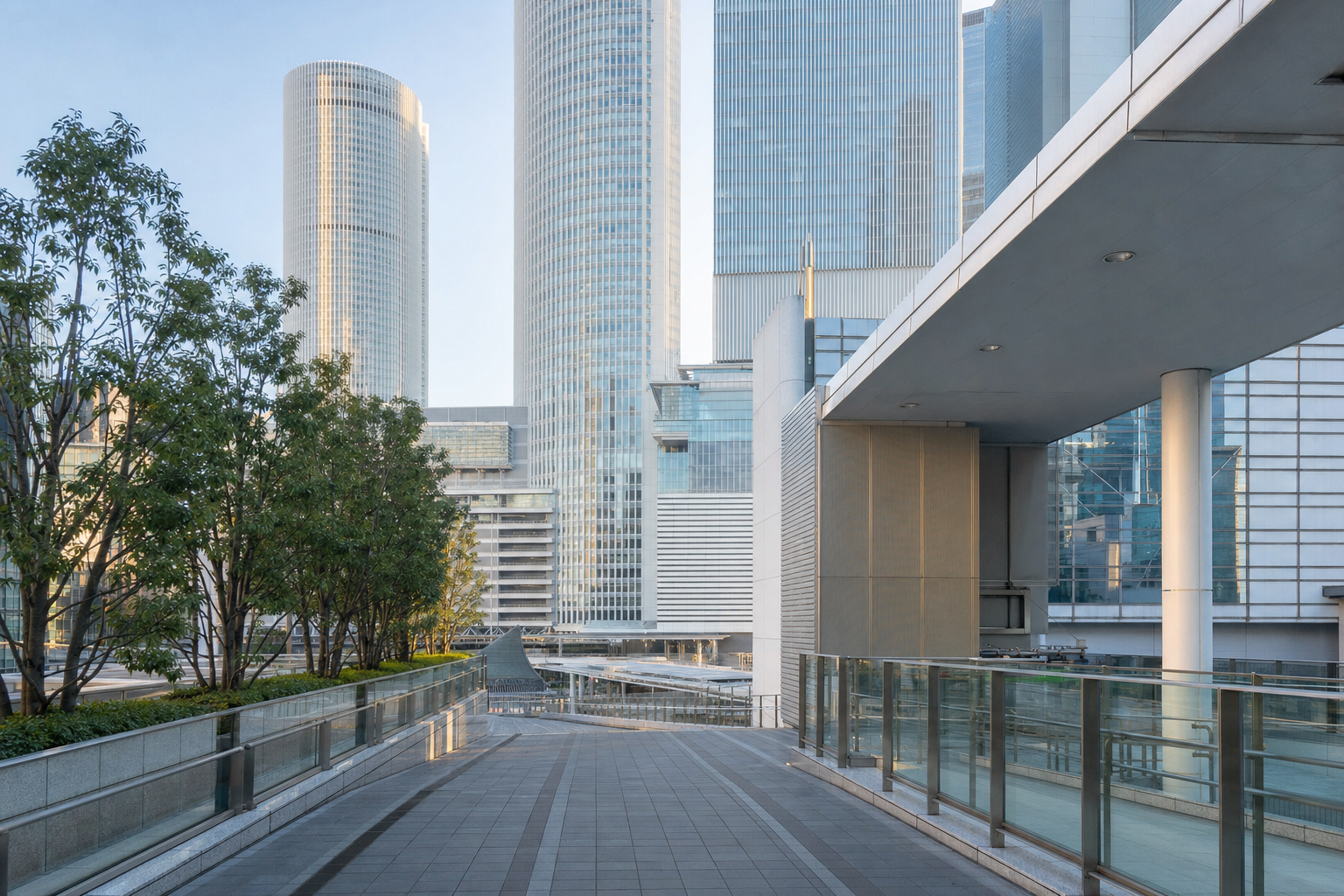
Meieki—the district around Nagoya Station—is the best Nagoya base for travelers who value fast arrivals, easy day trips, luggage-friendly hotels, and a wide choice of food under one roof. It is less atmospheric after dark than Sakae and less relaxed than Fushimi, but no other neighborhood makes regional transport this simple.
Best for: first-time visitors, one-night stays, rail-heavy itineraries, families with luggage, and travelers taking early trains. Skip it if: nightlife, small independent bars, or a quieter streetscape matter more than transport efficiency.
This guide treats Meieki as a working travel hub rather than a list of attractions. The key is to divide it into an east side, a west side, and a northern walking loop, then use the correct station system from the start.
Current-source box
> Last checked: August 2026. Opening times, admission, transport operations, and construction access can change. Before travel, verify Nagoya Station area information, the Me~guru sightseeing bus, Toyota Commemorative Museum, Noritake Garden, and your railway operator. The official tourism site describes Yanagibashi Central Market as roughly a five-minute walk from Nagoya Station and places Noritake Garden and the Toyota museum within the wider station-area walking zone.
Use published prices and timetables as planning figures, not guarantees. Recheck the operator page on your travel date—especially around national holidays, severe weather, facility maintenance, and New Year closures.
Meieki decision matrix
| Choose this part of Meieki | Best for | Skip if | Practical tradeoff |
|---|---|---|---|
| East side: Sakura-dori / Meitetsu side | Department stores, Midland Square, Yanagibashi, airport access | You want the simplest Shinkansen departure | Busy crossings and several similarly named buildings |
| West side: Taiko-dori side | Shinkansen, highway buses, budget hotels, quick departures | You want polished shopping streets | Less scenic and quieter late at night |
| North of the station | Noritake Garden and Toyota museum | You have under two free hours | Better as a half-day loop than a rushed gap filler |
| Inside station complexes | Rain-proof meals, shopping, short layovers | You dislike large indoor navigation systems | Convenient, but easy to lose 15–20 minutes finding the correct tower or gate |
Editorial judgment: stay east of the station for a first leisure visit, west for a short transit night, and choose Fushimi or Sakae instead if the trip is mainly evenings, bars, and urban wandering. For a fuller comparison, use our Where to Stay in Nagoya guide.
The station system in plain English
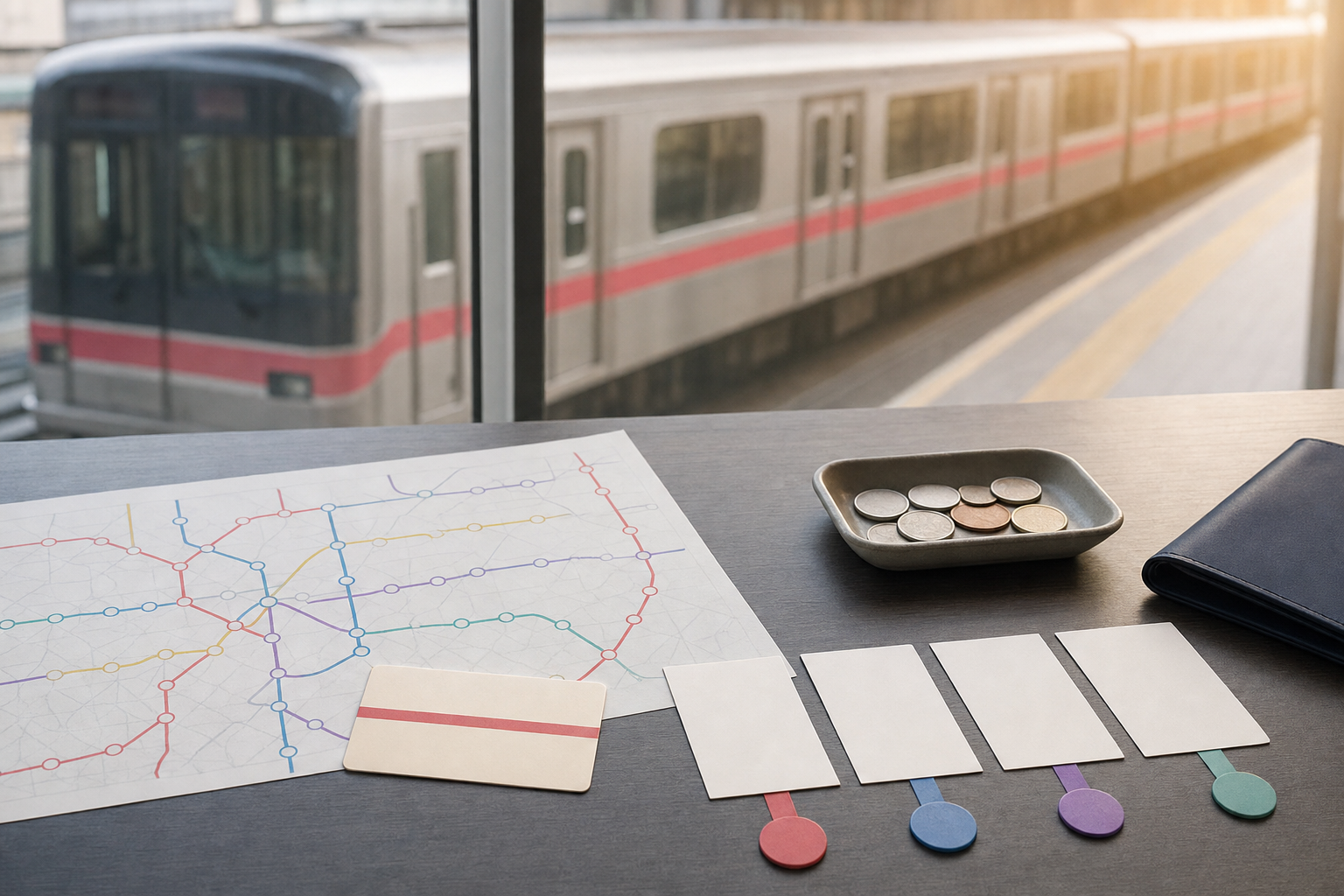
“Nagoya Station” is not one single gate. JR conventional lines and the Tokaido Shinkansen use JR Nagoya Station. Meitetsu Nagoya handles trains including the airport route. Kintetsu Nagoya serves Kintetsu services toward destinations such as Ise and Osaka. The city subway has Higashiyama and Sakura-dori lines, while the Aonami Line departs toward Kinjo-futo.
That distinction matters more than any exit number. Before walking, identify the operator, then the line, then the gate. A map search for “Nagoya Station” can place you on the wrong side of a large complex even when the pin looks correct.
Station transfer card
| Transfer | Allow in a calm plan | What makes it slower |
|---|---|---|
| JR conventional line to Shinkansen | 15–20 minutes | Luggage, buying a ticket, peak-hour crowds |
| Shinkansen to Meitetsu | 20–30 minutes | Crossing the station, locating the Meitetsu entrance |
| Meitetsu to subway | 15–25 minutes | Multiple underground levels and unfamiliar signs |
| Hotel east side to Shinkansen | 20–35 minutes | Elevators, crossings, underground detours |
| Hotel west side to Shinkansen | 10–20 minutes | Distance from the exact hotel entrance |
These are planning allowances, not scheduled transfer times. Add more margin with children, mobility needs, several suitcases, or an uncollected reserved ticket. If arriving from Chubu Centrair, read the Centrair to Nagoya route guide before choosing a hotel entrance.
A practical orientation walk
Do this 45–60 minute loop after checking in rather than learning the station under departure pressure.
1. Find the JR Central Towers concourse. Use it as your central landmark.
2. Walk to the Taiko-dori side. Note the Shinkansen direction and highway-bus zone if either is relevant.
3. Cross back toward the Sakura-dori side. Identify the route toward Midland Square and Meitetsu Nagoya.
4. Locate your airport entrance. Do not assume the JR gates are used for the Meitetsu airport train.
5. Save your hotel entrance as a map pin. Large station-connected hotels may have more than one practical approach.
6. Photograph the nearest landmark—not just an exit number. Construction can alter passageways, while a tower or department-store name remains easier to ask about.
If the underground passages feel confusing, return to street level when weather and mobility permit. A slightly longer route with visible towers is often faster than repeatedly changing underground levels.
What is worth doing around Meieki
Yanagibashi Central Market: best early-day stop
Yanagibashi is the most distinctive short walk from the east side. The official city guide places it about five minutes from Nagoya’s transport hub. Go in the morning when wholesale-market activity and food businesses are more likely to be operating; do not build an evening plan around it. Individual businesses set their own hours and closures.
Treat the market as a compact food district, not a guaranteed performance. Keep aisles clear, do not obstruct workers for photographs, and check whether a stall welcomes visitors before lingering. It pairs well with an early arrival or breakfast, then a subway ride onward.
Sky Promenade: best sunset option
Midland Square’s observation experience is a logical late-afternoon choice because it is beside the station and requires no additional cross-city transfer. Check the official Midland Square Sky Promenade page for the current admission, last entry, weather restrictions, and temporary closures. Open-air elements can be affected by wind or severe weather.
The practical sequence is simple: leave bags at your hotel, visit before dinner, then eat in Meieki or continue one subway stop toward Fushimi. On a low-cloud or stormy day, skip it rather than paying primarily for a limited view.
Noritake Garden: best easy northern stop
Noritake Garden combines landscaped former factory grounds with ceramics-related facilities. The official tourism listing warns that hours and holidays vary by facility, so check the Noritake official site rather than assuming the garden, museum, shop, and restaurant all share one schedule.
It works well for travelers who want a gentle outing close to the station. The grounds and red-brick setting are also a more relaxed counterpoint to Meieki’s towers. Allow roughly 60–90 minutes if visiting only Noritake, longer if shopping or using an indoor facility.
Toyota Commemorative Museum: best substantial half-day
The Toyota Commemorative Museum of Industry and Technology occupies an industrial heritage site associated with the Toyota group’s origins. It is not simply a car display: textile machinery and manufacturing development are central to the story. The city guide lists access beside a Me~guru stop and about a three-minute walk from Sako Station on the Meitetsu Nagoya Line.
Use the museum’s official English site for current opening days, admission, demonstrations, and closure notices. Give it at least two to three hours if engineering, design, or industrial history is a real interest. Trying to combine it with several major central-Nagoya attractions produces a rushed visit.
Route cards for three useful Meieki plans
Route A: two-hour arrival buffer
Nagoya Station → hotel luggage drop → Yanagibashi → station meal
- Best before lunch on a weekday or market operating day.
- Walking-based; no transit fare required once at the station.
- Recheck individual market businesses.
- Rain fallback: stay inside the station and department-store complexes.
This is preferable to starting a distant attraction when hotel check-in is still hours away. If you have a full day rather than a buffer, follow the timed sequence in our Nagoya one-day itinerary.
Route B: northern industrial-heritage half-day
Nagoya Station → Noritake Garden → Toyota Commemorative Museum → Meieki
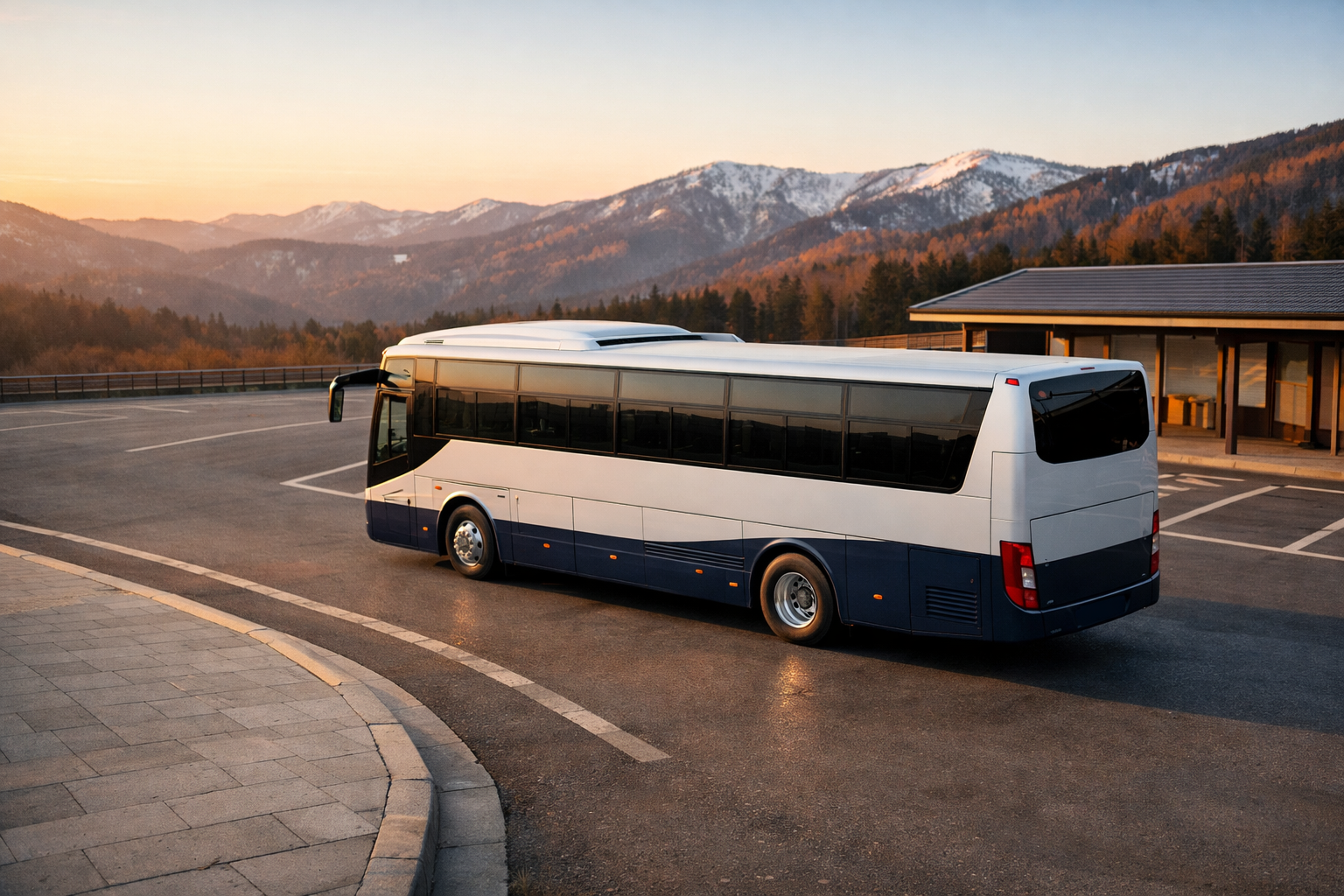
Walk, use Me~guru when operating, or take Meitetsu to Sako for the museum. The sightseeing bus does not operate like a high-frequency metro, so check its official timetable before relying on a particular departure. Walking between stops is feasible for many visitors, but summer heat, rain, and luggage can make the route unpleasant.
Allow four to five hours including transitions and a break. If the museum is your priority, visit it first and treat Noritake as optional. Museum closing time is the hard constraint; an outdoor garden is usually easier to shorten.
Route C: rain-proof Meieki evening
Station complex → Midland Square → dinner under cover → hotel
This is the low-friction plan after a long rail journey. Choose a restaurant cluster before hunger turns the station into a maze. Department stores and dining floors may close earlier than late-night street restaurants, so confirm same-day hours. If the observation deck is weather-affected, replace it with shopping, a café, or an early dinner rather than crossing the city in bad conditions.
Where to eat without making the station harder
Meieki is excellent for practical eating: station buildings, department-store restaurant floors, underground malls, and nearby towers cover Nagoya specialties and everyday meals. The drawback is choice overload and queues at famous outlets.
Use this queue strategy:
- Eat lunch before noon or after 1:30 p.m. when your schedule permits.
- Choose a building first, then a restaurant; do not roam between towers comparing every menu.
- Keep one non-famous fallback in the same complex.
- For a Nagoya specialty, decide whether the dish matters more than a specific brand.
- Check last orders, not only building closing time.
For an evening centered on local eel, compare the practical queue and ordering options in our hitsumabushi guide. Travelers with dietary restrictions should confirm broth, sauces, and cross-contact directly; pictograms and translated menus are not a guarantee.
Is Meieki the right place to stay?
Choose Meieki if two or more of these are true:
- you arrive late or depart early;
- you will make multiple day trips by rail;
- you have large luggage;
- your Nagoya stay is only one or two nights;
- airport access is a priority;
- rain-proof food and shopping are valuable.
Choose Sakae instead for nightlife, a more obvious evening promenade, and proximity to central entertainment. Choose Fushimi for a calmer position between Meieki and Sakae, especially if you do not need to be beside an early train.
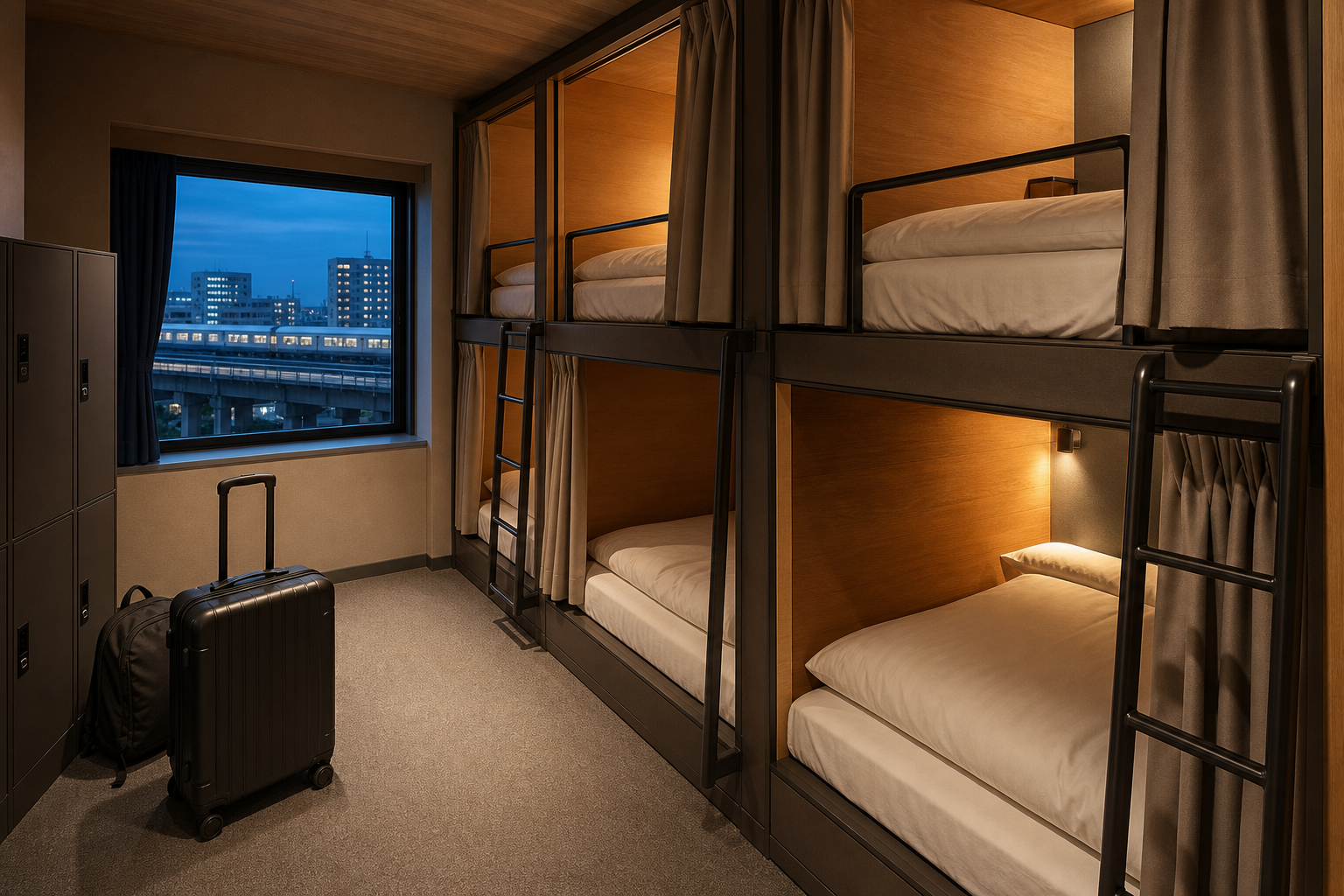
Hotel distance should be measured to the operator you will actually use. “Five minutes from Nagoya Station” is ambiguous when the relevant gate is on the opposite side. Open the walking route to the Shinkansen, Meitetsu, Kintetsu, or subway entrance before booking.
Luggage, accessibility, and late arrivals
Coin lockers exist around major Japanese stations, but size and availability fluctuate. Do not build a tight connection around finding a large empty locker. Hotel storage, staffed luggage counters, or delivery services may be safer for oversized cases; verify same-day acceptance and cutoff times.
Elevators can require detours compared with stairs and escalators. Add margin, follow accessibility signs, and ask station staff rather than carrying heavy cases on stairs. During peak periods, keep bags close and avoid stopping in the main pedestrian flow.
For late arrivals, confirm the hotel’s check-in cutoff and exact entrance. Some connected buildings reduce access after their retail floors close. Save the hotel phone number and address in Japanese. Nagoya is generally straightforward for visitors, but normal city precautions still apply: secure valuables, avoid unlicensed solicitations, and contact station or police staff if you feel unsafe.
Emergency, natural disaster, and disruption plan
Japan travel advisory basics for Meieki are straightforward: prepare for a natural disaster or transport shutdown, use staffed official channels, and keep your embassy contact accessible. Altitude sickness is not a normal Meieki risk because this is an urban lowland district; heat illness, typhoons, earthquakes, and crowded-station falls are more realistic concerns. Avoid any visa overstay by checking your permitted stay separately from transport planning, and treat unsolicited ticket or luggage “help” as a scam warning.
For an immediate police emergency in Japan, call 110; for an ambulance or fire emergency, call 119. Station staff or your hotel can help if language or location makes the call difficult. During an earthquake, typhoon, extreme heat warning, or major rail disruption, follow official operator and local-government instructions rather than trying to force the planned route. Move away from unstable objects, do not enter closed passages, and allow crowds to clear before changing platforms.
International visitors should keep travel-insurance details and their embassy or consulate contact information accessible. Contact your embassy or consulate for lost travel documents or serious consular assistance, but use Japanese emergency services first when there is an immediate threat to life or safety. Do not accept unofficial paid “help” with tickets, luggage, or transport from solicitors; use staffed railway counters, tourist information, your hotel, or licensed taxis.
Common Meieki mistakes
Treating every railway as JR
The airport train is Meitetsu, not the Shinkansen operator. Ise-bound Kintetsu services use Kintetsu Nagoya. Start with the operator name to avoid the wrong ticket area.
Booking a “station hotel” without checking the side
A short straight-line distance can hide a long indoor walk. Check the route to your real departure gate with luggage mode in mind.
Planning market activity in the evening
Yanagibashi is an early-day stop. Businesses vary, and a late visit may miss the reason to go.
Underestimating northern attractions
Toyota museum deserves time. It is not a quick photo stop to squeeze between checkout and a train.
Depending on one exact bus
Me~guru is useful, but service days and frequency require checking. Keep a walking, Meitetsu, taxi, or postponement fallback.
A printable Meieki checklist
- [ ] Identify each trip by operator: JR, Meitetsu, Kintetsu, subway, or Aonami.
- [ ] Check the hotel route to the correct gate, not the generic station pin.
- [ ] Save official transport and attraction pages offline.
- [ ] Add at least 20–30 minutes for an unfamiliar cross-station transfer.
- [ ] Confirm attraction closure days and final admission.
- [ ] Visit Yanagibashi early rather than late.
- [ ] Carry a rain/heat fallback for the northern walking loop.
- [ ] Choose a luggage plan before arrival.
- [ ] Save the hotel name and address in Japanese.
- [ ] Recheck disruption notices on departure morning.
FAQ
Is Meieki the same as Nagoya Station?
Meieki commonly refers to the Nagoya Station district and is also used in local place names and addresses. In trip planning, think of it as the larger area around several interconnected railway systems rather than one building.
Which side is best for the Shinkansen?
The Taiko-dori side is generally more convenient for Shinkansen access. Still check the precise hotel walking route and your ticket gate before departure.
Can I walk from Nagoya Station to the Toyota museum?
Many travelers can, but the walk is more comfortable in mild weather and without luggage. The official city listing also gives access via Sako Station and the Me~guru sightseeing bus stop. Check current service and choose based on heat, rain, and mobility.
Is one full day in Meieki too much?
Not if the Toyota museum is included. Without it, most visitors need only a partial day for Yanagibashi, shopping, food, Noritake, and a viewpoint. Meieki’s greater value is as an efficient base.
Should I stay in Meieki for a three-day Nagoya trip?
Yes if day trips or early departures dominate. If all three evenings are focused on nightlife and central-city dining, Sakae may feel more rewarding. Our three-day Nagoya itinerary helps show how often you will actually pass through the station.
Final takeaway
Meieki works best when you stop treating Nagoya Station as a single point. Choose the correct operator, learn east versus west once, and group the northern attractions into a deliberate half-day. That small amount of orientation turns a confusing transport complex into Nagoya’s most useful base—and prevents station navigation from consuming the time you came to spend in the city.