Nagoya in One Day: A Timed First-Visit Itinerary with Map and Fallbacks
A practical guide for international travelers on nagoya one day itinerary, covering the best next steps, tradeoffs, and when to call a pro.
A practical guide for international travelers on nagoya one day itinerary, covering the best next steps, tradeoffs, and when to call a pro.
Nagoya in one day: the route at a glance
Nagoya rewards a focused day more than a frantic checklist. This route is designed for a first visit with one full usable day, starting and ending near Nagoya Station. It pairs the city’s defining historical sight with an old shopping district, a major shrine, and an evening in Sakae. The order minimizes backtracking while leaving enough slack for lunch, queues, and wrong exits.
Best for: first-time visitors who can comfortably walk 8–11 km across the day and use the subway between districts. Skip or adapt it if your main goal is Ghibli Park, a full museum visit, or traveling with very young children; each of those deserves a different day structure.
| Time | Stop | Practical target | Allow |
|---|---|---|---|
| 08:00 | Nagoya Station breakfast | Coffee-shop morning service | 45 min |
| 09:00 | Nagoya Castle | Grounds and Hommaru Palace | 2 hr |
| 11:45 | Osu | Temple, arcade walk, Nagoya-meshi lunch | 2 hr |
| 14:15 | Atsuta Jingu | Shrine grove and main sanctuary | 75–90 min |
| 16:15 | Sakae | Oasis 21 and city-center orientation | 60–90 min |
| 18:00 onward | Sakae dinner | Choose one Nagoya specialty | Flexible |
> Current-source box — checked July 31, 2026. Nagoya Castle lists general opening hours of 9:00–16:30, with entry ending at 16:00; adult admission is ¥500. The tower keep cannot be entered, so plan around the grounds and Hommaru Palace rather than a keep climb. Nagoya City Transportation Bureau lists the City Bus & Subway One-Day Ticket at ¥870 and the Donichi Eco Kippu at ¥620 for eligible Saturdays, Sundays, holidays, and designated dates. Recheck the Nagoya Castle operating page, Nagoya transport ticket page, and official Nagoya visitor site on the morning of travel. Temporary closures, event access, and transit conditions can change. Check any active travel advisory and dangerous-weather notice; in a natural disaster, follow local authorities, railway staff, and your accommodation rather than this itinerary.
Before you start: make three decisions
Choose the castle or the museum branch
Use Nagoya Castle on a normal first visit. Choose the Nagoya City Science Museum instead when heavy rain makes outdoor walking unpleasant, when the castle has an exceptional closure, or when science is a stronger interest than early-modern history. The museum branch is not a quick substitution if you want the planetarium: showtimes and ticket procedures impose their own schedule, so check the official listing first.
Decide whether a day pass is economical
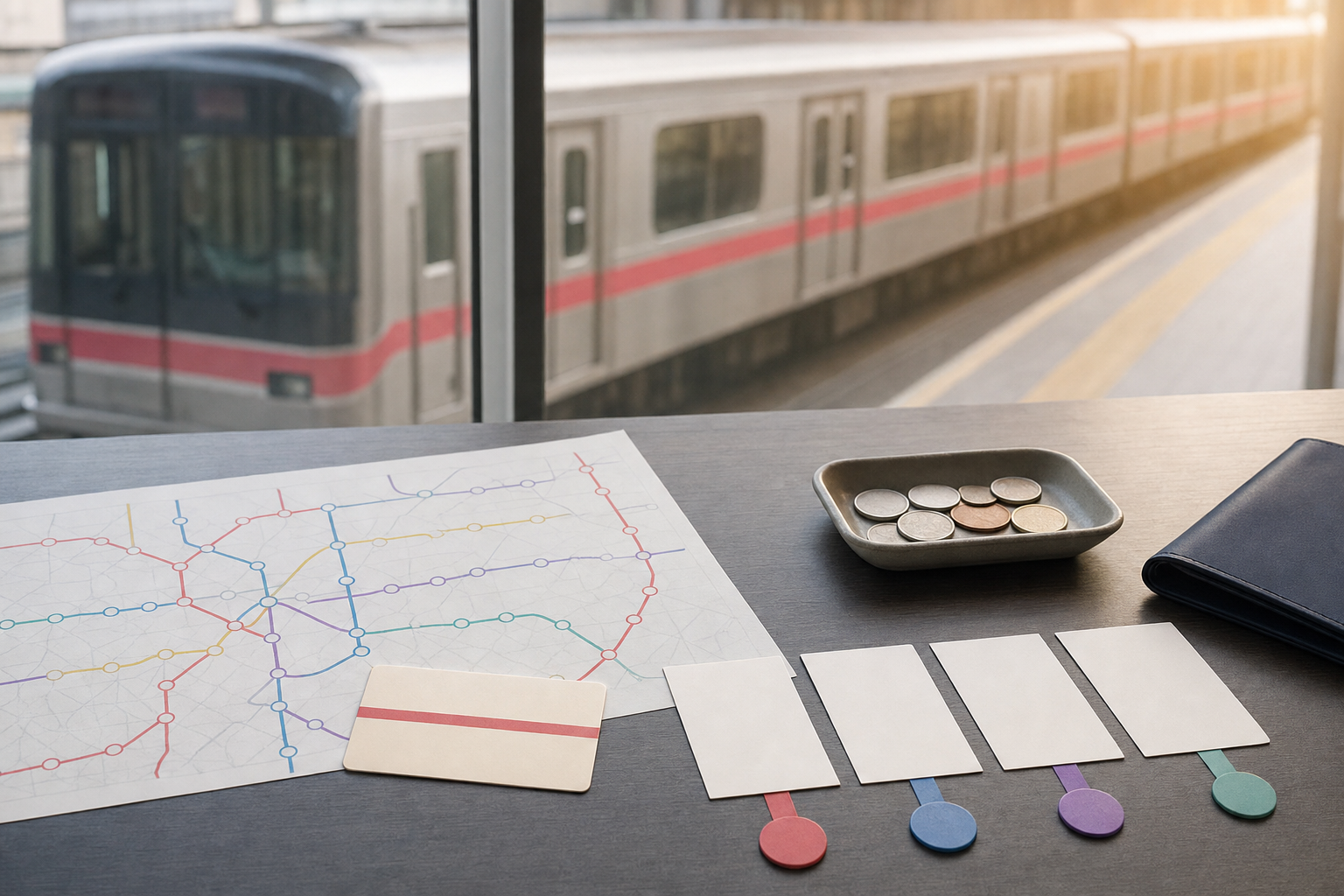
This itinerary normally needs several subway rides. The ¥870 bus-and-subway day ticket is simple on a weekday. On an eligible Donichi day, ¥620 is especially attractive. A stored-value IC card can still be better if you cut the route short or walk more. Do not buy a pass merely because it sounds convenient: count your expected rides and compare them with the current single fares shown in the route planner.
Pick one food priority
Trying hitsumabushi, miso katsu, tebasaki, kishimen, and ogura toast in one day turns the itinerary into grazing rather than sightseeing. Have morning service at breakfast, one substantial specialty at lunch, and a different dish at dinner. If eel is your priority, use our hitsumabushi guide before committing to a restaurant and queue.
08:00 — start with Nagoya morning service
Nagoya’s coffee-shop morning service is the useful cultural start: order a qualifying drink during the morning period and the shop may include toast and another small item. Details and serving times vary by branch, so treat this as a format rather than a guaranteed fixed menu. A café inside or close to Nagoya Station keeps the day resilient if your train arrives late.
Aim to finish by 08:45. Put luggage in your hotel or a station locker before breakfast; dragging a case through castle gravel and crowded arcades wastes far more time than storage costs. Nagoya Station is large, so record the name of your exit and meeting point rather than relying on “the station” as a landmark.
Route card: Nagoya Station to Nagoya Castle
- Use the subway toward Nagoyajo Station, usually changing from the Higashiyama Line to the Meijo Line at Sakae or Hisaya-odori depending on the live route.
- Budget roughly 20–30 minutes platform to gate, plus the walk from Nagoyajo Station.
- Open live directions.
- If you leave breakfast after 09:10, shorten the castle visit rather than deleting the lunch buffer.
09:00 — Nagoya Castle without the common planning mistake
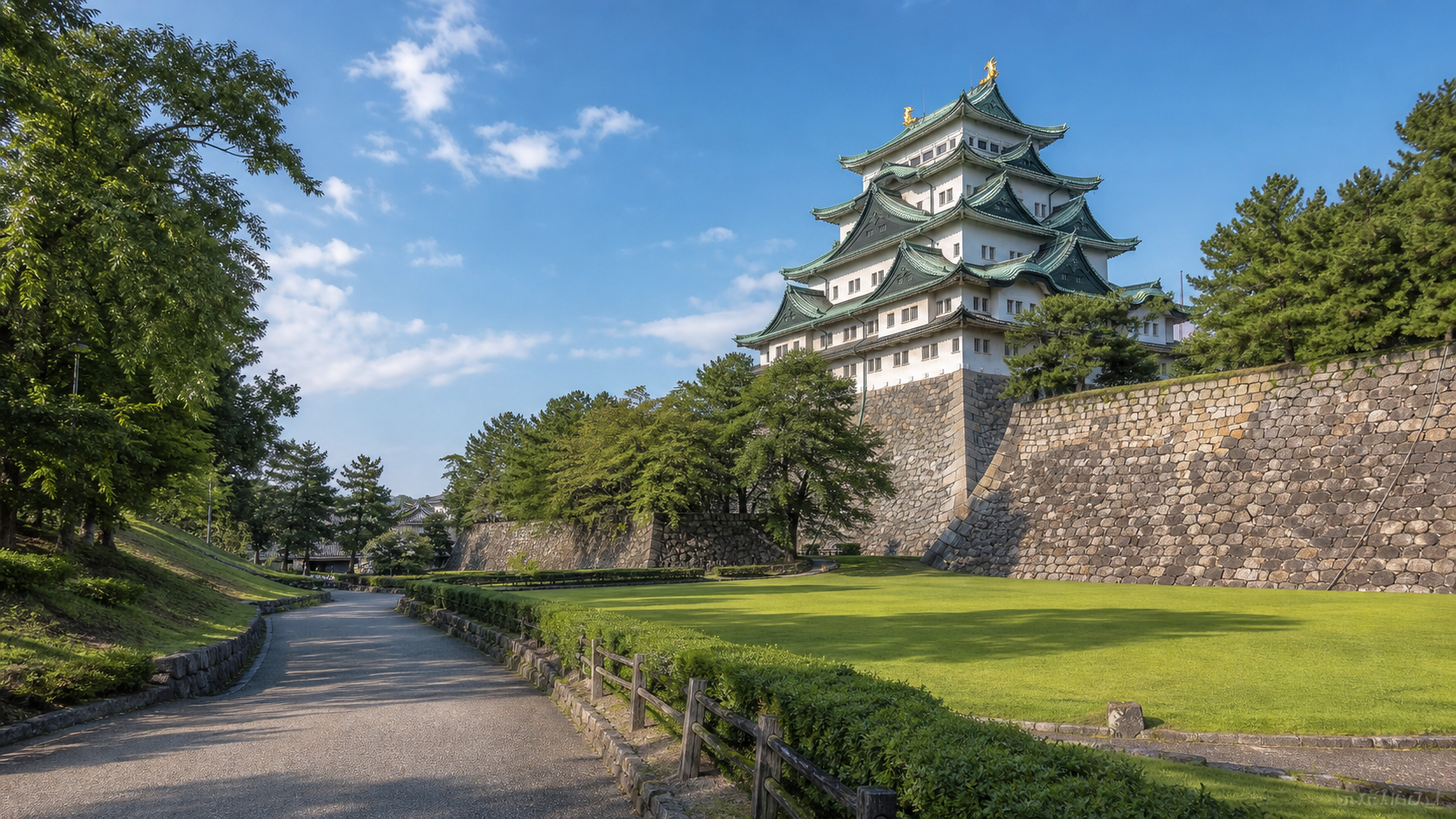
The mistake is assuming Nagoya Castle works like a keep-climbing castle. The tower keep is not open for entry. The value of this stop is the reconstructed Hommaru Palace, its ornate rooms, the fortifications, gates, gardens, and the visual scale of the site. If walking inside a surviving original keep is essential, save that expectation for an Inuyama day trip rather than forcing it onto this city day.
Arrive close to opening and allow about two hours. Go toward Hommaru Palace early, before tour groups thicken. Follow current instructions about bags, photography, and restricted areas. Then make one circuit through the grounds instead of trying to inspect every minor display. Adult general admission was listed at ¥500 when checked; verify concessions and combination offers directly.
Closure fallback: if the castle is unexpectedly unavailable, go directly to Fushimi and use the morning for the Nagoya City Science Museum or the Toyota Commemorative Museum of Industry and Technology. Check opening days first—many museums close on Mondays or have irregular maintenance dates. Do not travel to a substitute until its official page confirms that day’s operation.
11:45 — Osu for lunch and a walk with a clear boundary
From the castle area, travel to Osu Kannon or Kamimaezu. The district can consume half a day if you browse every covered arcade, so give it a route: begin at Osu Kannon, cross into the main shopping streets, eat, then finish near Kamimaezu for the subway south. The temple and shopping district have different rhythms; individual shops commonly open later than the streets themselves.
Osu works well for a flexible lunch because it has snacks, cafés, casual restaurants, electronics, vintage clothing, and multiple branches serving Nagoya dishes. Use our Osu guide if you want a more detailed walk. The antique market is associated with the 18th and 28th of each month, but verify event operation before building your day around it.
Lunch decision table
| If you want… | Choose… | Time/risk |
|---|---|---|
| A fast hot meal | Kishimen or a casual noodle shop | Usually easiest to fit |
| A rich signature dish | Miso katsu | Allow more time at famous branches |
| A destination meal | Hitsumabushi | Highest queue risk; reserve or arrive strategically |
| Small tastes | Two Osu snacks, then an early dinner | Watch cumulative cost and food waste |
A realistic lunch budget is about ¥900–¥2,500 depending on dish and restaurant; eel can cost substantially more. These are planning bands, not live menu quotations. Check the restaurant’s current menu and whether cashless payment is accepted.
14:15 — Atsuta Jingu as the quiet counterpoint
Ride the Meijo Line toward Atsuta Jingu Nishi or use the live planner for the best entrance. Atsuta Jingu sits in a wooded precinct that feels removed from the commercial city. Allow 75–90 minutes for the approach, purification basin, main sanctuary area, and an unhurried walk under the trees. The shrine precinct is the core experience; paid museum facilities have separate hours and admission, so do not assume they are open simply because the shrine grounds are accessible.
Observe shrine etiquette without turning it into theatre: walk to the side of the central path where indicated, rinse hands if the purification station is operating, keep voices low, and follow posted photography restrictions. You do not need to buy an amulet or make a large offering to visit respectfully.
Route card: Osu to Atsuta Jingu
- Start near Kamimaezu Station after lunch.
- Take the Meijo Line south to the most suitable Atsuta-area stop shown by the live planner.
- Allow about 20–30 minutes including walking and platform time.
- Open live directions.
If heat is severe, reduce the shrine walk and take a proper indoor rest. Summer humidity can make an apparently moderate walking total unsafe. Carry water, use shade, and do not treat the timetable as an obligation when anyone feels dizzy or unwell.
16:15 — finish in Sakae, not back at the station
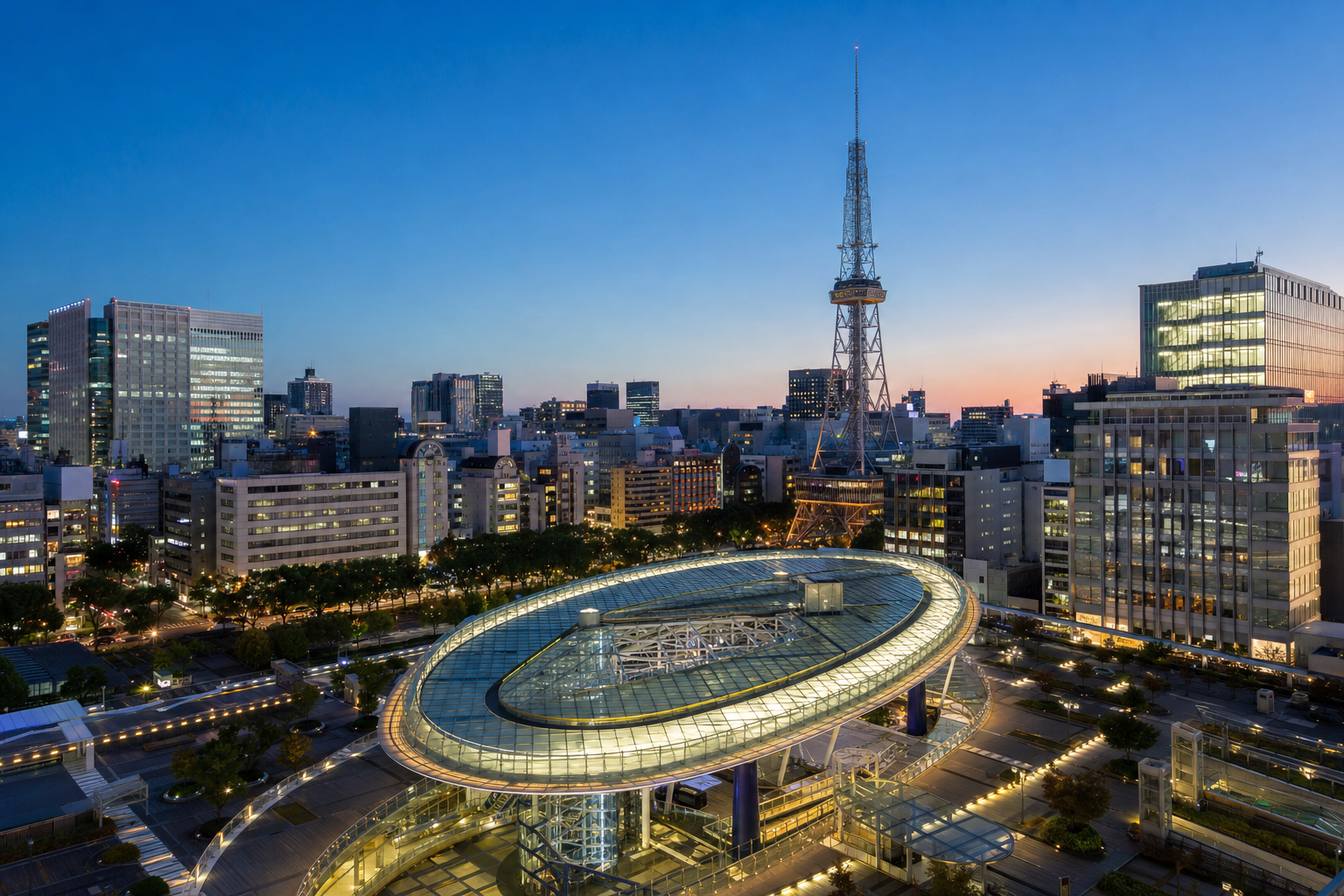
Sakae is the best final district because it combines transport, shopping, architecture, dinner options, and an easy return to Nagoya Station. Start at Oasis 21 and the Spaceship-Aqua roof if operating conditions permit. The elevated view is useful for understanding central Nagoya, with the MIRAI TOWER axis and Hisaya-odori Park immediately legible.
Continue through Hisaya-odori Park rather than entering every department store. If you want a paid observation deck, confirm MIRAI TOWER’s current hours, last admission, weather policy, and ticket price on its official site before joining the queue. Otherwise, keep the free city walk and spend the money on dinner.
For evening food, tebasaki suits a social izakaya-style meal, miso katsu is straightforward and filling, and kishimen is the easiest quick finish. Travelers staying near Nagoya Station can eat in Sakae and take the Higashiyama Line back in roughly one short cross-city ride. Travelers staying in Sakae can simply stop when energy runs out.
Route map and navigation links
Nagoya Station
Breakfast and luggage drop
Nagoya Castle
Grounds and Hommaru Palace
Osu Kannon
Temple, arcades, and lunch
Atsuta Jingu
Shrine grove and sanctuary
Oasis 21
Sakae orientation and dinner
Subway day pass: ¥760 weekday / ¥620 weekend. Covers all 6 subway lines.
Use the map for orientation, then use live navigation for actual departures. Open the complete route in Google Maps. Google may simplify or reorder mixed transit legs, so navigate one leg at a time.
What this day costs
| Cost | Budget plan | Comfortable plan |
|---|---|---|
| Local transport | ¥620–¥870 pass, when suitable | ¥870–¥1,200 pay-as-you-go buffer |
| Nagoya Castle | ¥500 adult | ¥500 adult |
| Breakfast | ¥500–¥800 | ¥800–¥1,200 |
| Lunch | ¥900–¥1,500 | ¥1,500–¥3,500+ |
| Dinner | ¥1,200–¥2,000 | ¥2,500–¥5,000 |
| Optional deck/museum | ¥0 | Check current ticket price |
| Planning total | about ¥3,700–¥5,700 | about ¥8,000–¥12,000+ |
This excludes accommodation, shopping, and long-distance travel. Prices at restaurants and attractions can change; use the table to set a cash and card buffer, not as a promise.
Rain, Monday closure, and late-start plans
Steady rain: replace the castle with one major indoor museum after confirming it is open; keep Osu because much of the shopping route is covered, then finish in Sakae’s connected underground and retail spaces. Atsuta’s forest is atmospheric in light rain but not a good choice in dangerous weather.
Monday: museums are the risky branch because many use Monday closures or next-day rules after holidays. Nagoya Castle, Osu, Atsuta, and Sakae usually make the more robust skeleton, subject to official daily notices.
Starting after 11:00: do not compress all four areas. Choose either Castle → Osu → Sakae or Atsuta → Osu → Sakae. The first emphasizes city history; the second is calmer and avoids racing the castle’s final-entry time.
Traveling with limited mobility: verify elevator exits and step-free routes in the official transit tools. Distances inside the castle grounds and shrine precinct matter more than the subway mileage. Taxis between two major stops can conserve energy, but road time and fares vary.
Before-you-go checklist
- Check attraction opening notices and severe-weather alerts the evening before.
- Store luggage before breakfast.
- Load an IC card even if buying a day pass, for flexibility outside its coverage.
- Save each official source and each leg’s live directions.
- Carry water, sun/rain protection, and a small cash reserve.
- Pick one priority meal and one fallback with a shorter queue.
- Leave Sakae whenever your energy falls; the itinerary has already delivered its core by then.
For a slower visit with deeper museums and neighborhoods, use the three-day Nagoya itinerary. If this day begins straight after landing, read the Centrair-to-Nagoya guide before promising yourself an 08:00 start.
FAQ
Is one day enough for Nagoya?
One day is enough for a coherent introduction, not complete coverage. This route gives you castle-era history, a local commercial district, a major shrine, central-city architecture, and two chances to eat Nagoya specialties. Add days for Ghibli Park, major museums, or regional excursions.
Should I visit Nagoya Castle if the tower keep is closed?
Yes if Hommaru Palace, the grounds, and the city’s Tokugawa history interest you. No if your only goal is climbing an original castle keep; choose Inuyama on another day instead.
Can I add the Toyota museum or science museum?
Use one as a replacement, not an addition. A worthwhile museum visit normally needs two or more hours plus transit. Adding it to all four districts creates a brittle schedule and little time to understand anything.
Is this route suitable during midsummer?
Only with adjustments. Start early, use air-conditioned breaks, carry water, and cut one outdoor stop in extreme heat. Follow official heat and weather guidance; no itinerary is worth heat illness. In a medical emergency, stop sightseeing and seek assistance from emergency services or a qualified medical professional.
Do I need reservations?
The core route generally does not depend on one reservation, but special exhibitions, observation facilities, restaurants, and museum planetarium sessions can have separate procedures. Confirm each optional item on its official website.
Where should I stay for this itinerary?
Nagoya Station is best for an early arrival or onward train. Sakae is best for ending near dinner and nightlife. The route works from either base because the Higashiyama Line connects them directly.