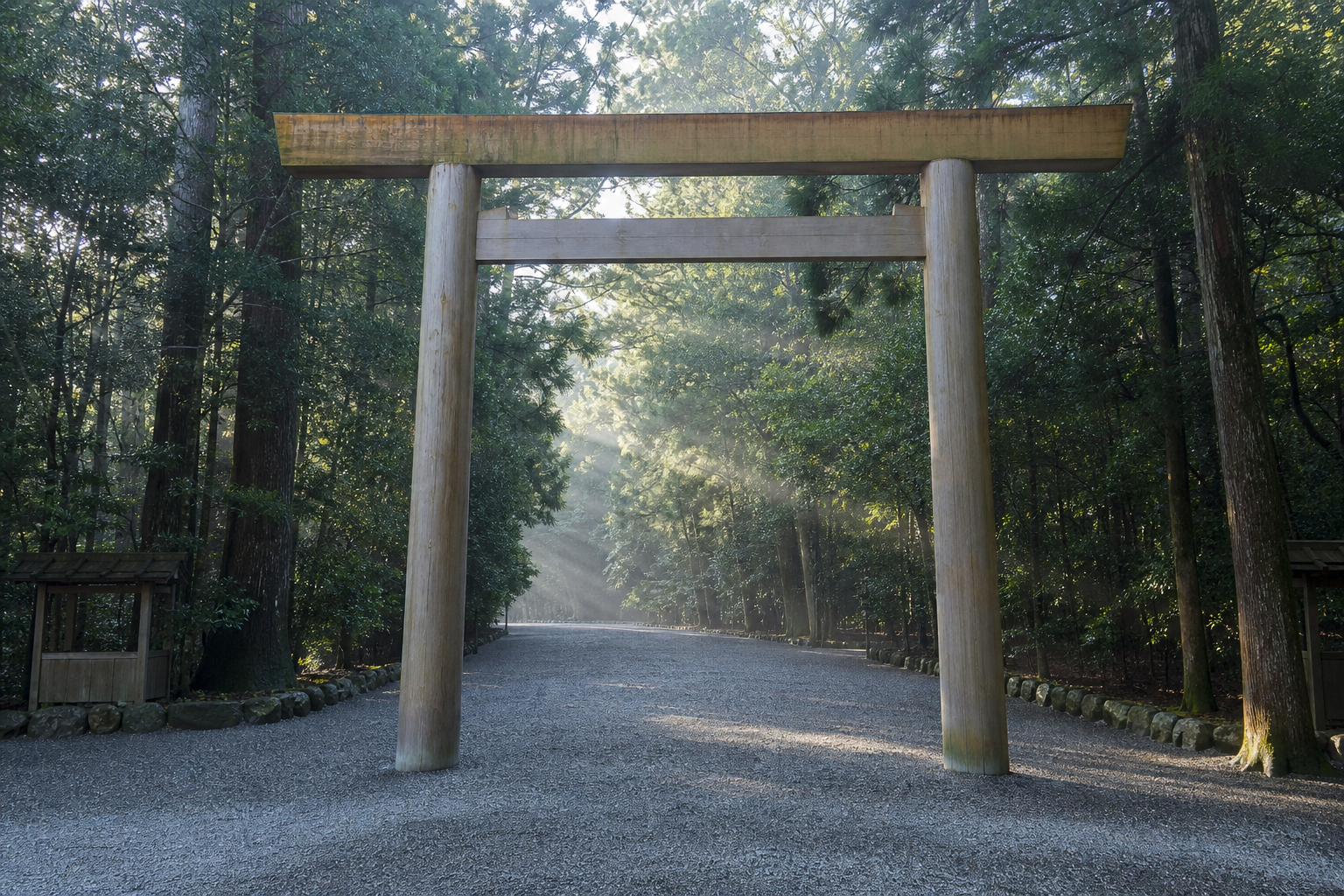
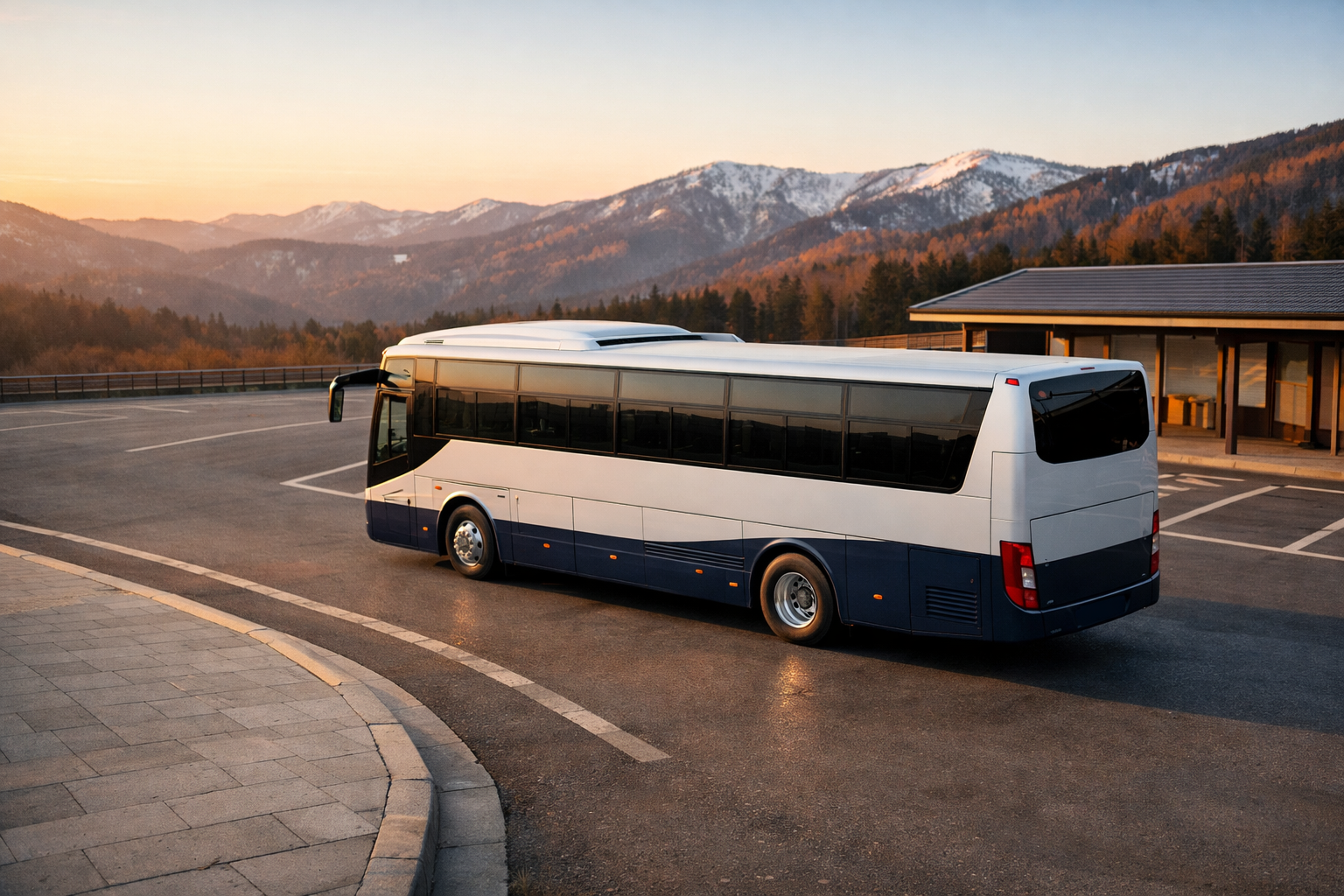
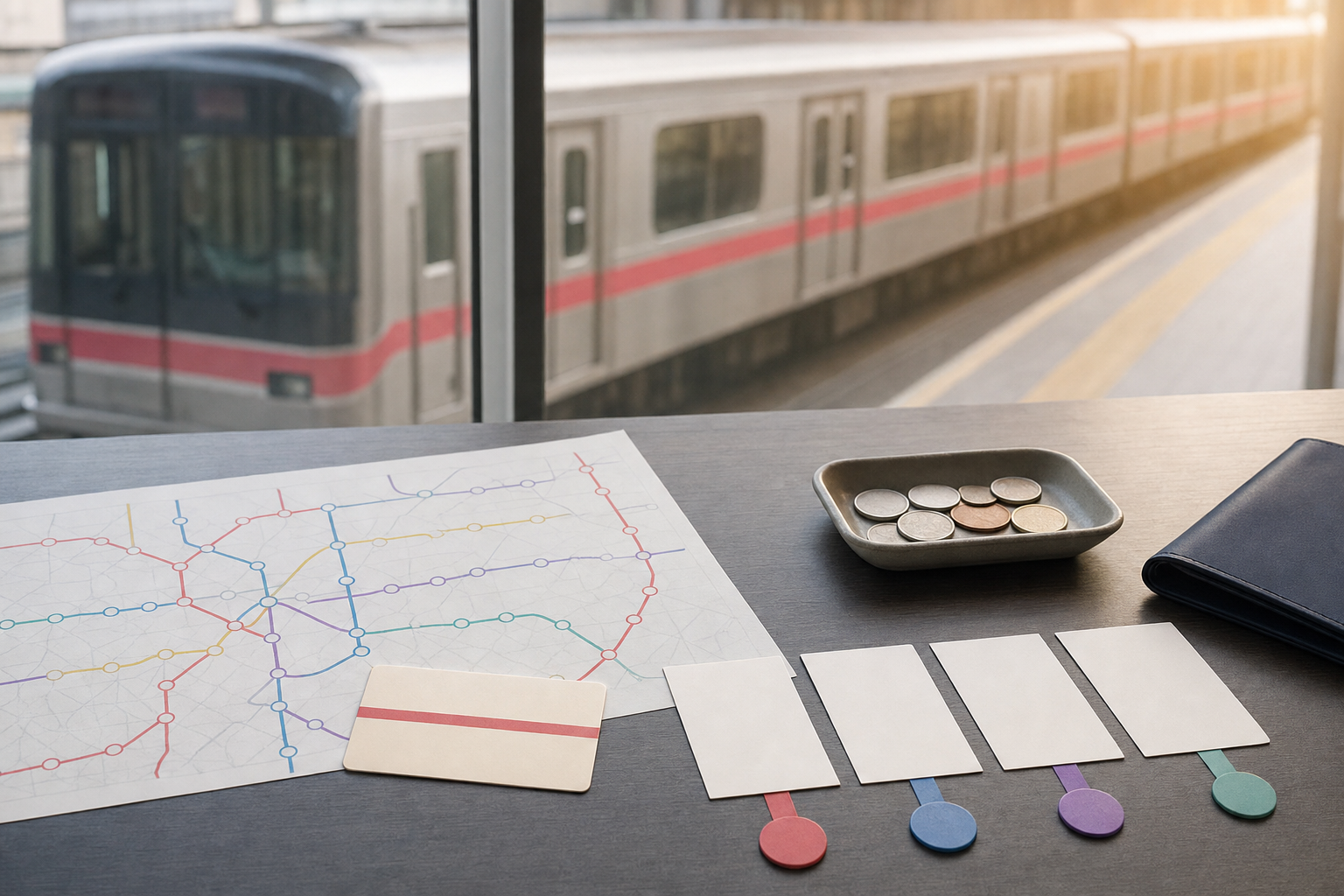
Shirakawa-go from Nagoya: A Realistic DIY Bus vs Tour Day-Trip Plan
A practical guide for international travelers on shirakawago from nagoya, covering the best next steps, tradeoffs, and when to call a pro.
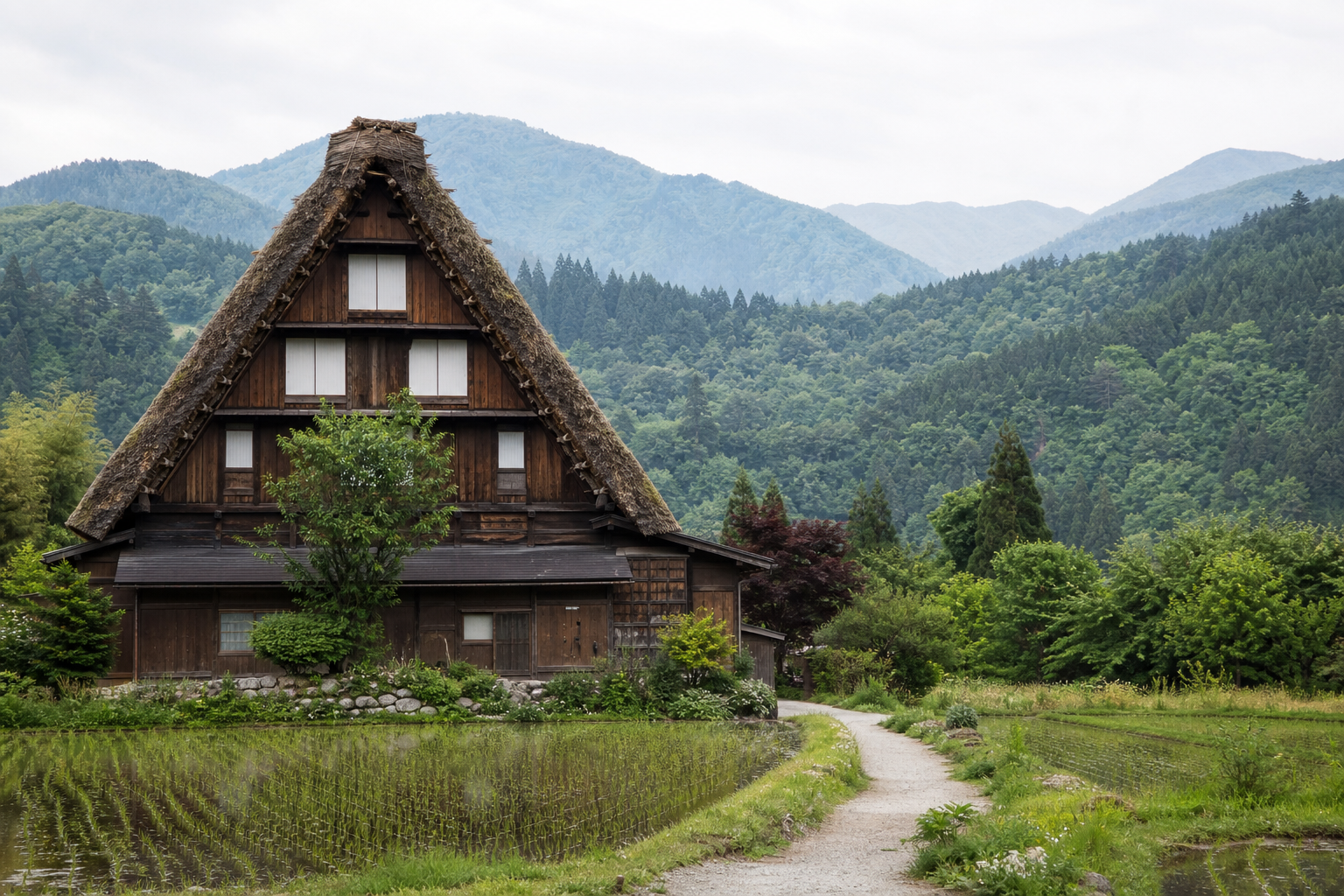
A practical guide for international travelers on shirakawago from nagoya, covering the best next steps, tradeoffs, and when to call a pro.
Shirakawa-go is possible as a day trip from Nagoya, but it is not a casual outing. The direct highway bus takes roughly 2 hours 40 minutes each way, road conditions can stretch that journey, and reserved seats may sell out. A good independent plan gives you about four hours in Ogimachi village and treats the return reservation as non-negotiable.
Choose DIY if you want a quiet, self-paced village walk, can reserve both bus legs early, and are satisfied with Shirakawa-go alone. Choose an organized tour if reserved buses are unavailable, you prefer a guide and fixed logistics, or you specifically want a Takayama combination. Skip the day trip—or stay overnight—if winter disruption would seriously affect an onward flight or other inflexible booking.
> Current-source check — last checked August 1, 2026. Timetables, fares, reservation rules, attraction hours, and weather restrictions change. Before paying, verify the direct service on the Highwaybus.com Nagoya–Shirakawa-go booking page, check operator notices through Meitetsu Bus, and review the Shirakawa-go Tourist Association access page. The sample times and budgets below are planning figures, not a promise of live availability.
DIY bus or organized tour: the decision matrix
| Option | Best for | Skip if | Planning time | Working transport cost | Main caveat |
|---|---|---|---|---|---|
| Direct reserved highway bus | Independent travelers who want 3.5–4.5 hours in the village | You cannot secure both directions | About 2h40 each way | Budget about ¥8,000–¥10,000 return in 2026; confirm the live fare | Few useful departures; congestion and snow can delay buses |
| Nagoya coach tour | First-time visitors who value one booking and a guide | You dislike fixed group timing | Commonly 10–12 hours total | Often roughly ¥10,000–¥18,000, depending on inclusions | Meeting point, language, lunch, and cancellation terms vary |
| Shirakawa-go + Takayama tour | Travelers determined to see both places in one day | You want depth, museums, or slow meals | Usually a very long full day | Product-specific; compare the exact departure | Each destination may receive only a short visit |
| Overnight in Shirakawa-go or Takayama | Winter travelers and anyone wanting a slower experience | Your accommodation cannot be changed | Two calendar days | Transport plus lodging | Lodging can sell out; some stays require advance meal arrangements |
Our editorial judgment: DIY is the better day trip when Shirakawa-go itself is the objective. A combo tour solves transport friction, but it converts two substantial destinations into short stops. If Takayama matters as much as the village, use our Takayama day-trip guide to understand the time pressure, then consider spending a night in the Hida region instead.
Route card 1: direct bus from Nagoya
Start: Meitetsu Bus Center, beside the Meitetsu department-store complex at Nagoya Station
Finish: Shirakawa-go Bus Terminal in Ogimachi
Typical journey: approximately 2 hours 40 minutes, traffic and weather permitting
Reservation: reserve a specific seat; buy both outbound and return legs before travel
Booking source: Highwaybus.com
Navigation point: Meitetsu Bus Center on Google Maps
Nagoya Station is a complex of separate JR, subway, Kintetsu, and Meitetsu facilities. The bus center is not a roadside stop outside the JR gates. Arrive 30–40 minutes early on your first visit, locate the correct floor and boarding bay on the departure display, and ask the staffed counter if the bus name or destination is unclear. Do not rely on a platform number copied from an old blog because bays can change.
If you are arriving at Chubu Centrair Airport that morning, this connection is risky. Our Centrair-to-Nagoya guide explains the airport transfer, but immigration, baggage delivery, and the cross-station walk leave too many moving parts. Sleep near Nagoya Station and take the bus the next morning.
A realistic DIY timetable
The following sequence assumes you have confirmed an outbound that reaches Shirakawa-go around lunchtime and a reserved return in the late afternoon. One current search result for the Nagoya route showed a 09:50 departure and 12:30 arrival, but use the times printed on your booking, not this example.
| Time | Plan | Decision rule |
|---|---|---|
| 09:10 | Reach Meitetsu Bus Center | Earlier if collecting or changing a ticket |
| 09:50–12:30 | Reserved direct bus | Carry water and a small snack; motorway delays happen |
| 12:30–12:45 | Confirm return stop, toilets, lockers, and service board | Photograph the live departure board |
| 12:45–13:25 | Lunch or quick local meal | Eat first if kitchens close early; do not build the day around one restaurant |
| 13:25–14:20 | Wada House area and central lanes | Check admission and opening hours locally |
| 14:20–15:05 | Shiroyama viewpoint, by shuttle if operating or on foot if safe | Skip the climb in ice, heavy rain, or low visibility |
| 15:05–15:50 | Southern village loop, suspension bridge, or open-air museum | Choose one; do not sprint through all three |
| 15:50–16:10 | Return to terminal | Be present at least 15–20 minutes before departure |
| Late afternoon–evening | Reserved bus to Nagoya | Keep the evening flexible in case of road delay |
Treat the return printed on your ticket as the hard boundary. A “latest safe return” is not simply the final bus shown online: it is the last reserved, operating departure you actually hold, with enough margin to walk back to the terminal. Missing it may mean buying a different route, traveling via Takayama or Kanazawa, or finding last-minute lodging.
Route card 2: a four-hour village walking sequence
Start and finish: Shirakawa-go Bus Terminal
Core sequence: terminal → central Ogimachi lanes → Wada House area → Shiroyama viewpoint decision → southern village/open-air museum → terminal
Distance: compact but uneven; allow extra time for snow, crowds, photography, and indoor visits
Official orientation: Tourist Association maps and downloads
Navigation point: Shirakawa-go Bus Terminal on Google Maps
The village is primarily explored on foot. The Tourist Association says there is no general sightseeing bus inside Ogimachi; the limited vehicle service is the shuttle toward the observatory. All principal sights are within walking range, but “walkable” does not mean step-free. Snowbanks, wet stone, narrow shoulders, and busy lanes can materially slow a visit.
Begin in the central lanes rather than racing straight to the viewpoint. This gives you an immediate view of the gassho-zukuri landscape and protects the trip if cloud later hides the panorama. Wada House is one of the best-known preserved residences, but it remains a real property and may have changing access or hours. Confirm at the entrance and respect roped-off spaces, private homes, fields, and residents’ driveways.
What the day actually costs
Use this as a budgeting worksheet, then replace every variable with the price shown on the official booking or entrance page.
| Item | DIY working budget per adult | Tour working budget per adult |
|---|---|---|
| Nagoya return transport | ¥8,000–¥10,000 | Included in most products |
| Tour product | — | Roughly ¥10,000–¥18,000 |
| Lunch and drink | ¥1,200–¥2,500 | Check whether included |
| One or two paid interiors/museums | ¥500–¥1,500 | Usually not included unless stated |
| Observatory shuttle or local extras | ¥0–¥1,000 | Product-specific |
| Contingency | ¥2,000 plus a usable card | ¥2,000 plus a usable card |
| Planning total | about ¥11,700–¥17,000 | about ¥13,200–¥22,000 |
How to book without creating a fragile itinerary
1. Search the official reservation system for both directions. Do not buy an outbound first and hope the return appears later.
2. Check the product details. Match Nagoya’s Meitetsu Bus Center, Shirakawa-go Bus Terminal, travel date, passenger count, luggage rules, and cancellation deadline.
3. Save evidence offline. Keep the QR code or ticket, reservation number, operator name, departure time, and customer-service contact.
4. Recheck 24–48 hours before departure. Look for operator notices and the village forecast, especially in winter or during heavy rain.
5. Keep your Nagoya evening uncommitted. Do not place a prepaid dinner, last train, or airport check-in immediately after the scheduled arrival.
Tour versus solo when Takayama is included
A Shirakawa-go-only day gives enough time for a deliberate village circuit and one or two interiors. Adding Takayama can make sense if this is your sole chance to glimpse both places and you accept that the coach schedule—not your interests—controls the day.
Choose the combo when transport simplicity is the priority and the listed village time is acceptable. Avoid it if you want a proper Takayama old-town walk, morning market, museum visit, long lunch, or winter photography. Those desires compete for the same finite daylight. A two-day Hida plan is the honest fix, not a faster walking pace.
For short stays, compare the tradeoff with our one-day Nagoya itinerary.
Disruption fallbacks: sold out, snow, delay, or missed bus
If the direct bus is sold out
Check organized tours with a genuine confirmed seat, then official connections via Takayama. A multi-leg route is not automatically a good same-day substitute: every transfer introduces another reservation and failure point. If the available itinerary leaves less than roughly three hours in the village, postpone or stay overnight.
If snow or severe weather is forecast
Mountain scenery does not make road disruption harmless. Check Meitetsu/operator notices, the Japan Meteorological Agency, and Tourist Association updates. Wear waterproof footwear with traction and warm layers, but equipment does not override closure advice. If service is cancelled, use the day in Nagoya rather than improvising a private roadside transfer.
If the outbound bus is seriously delayed
Recalculate from the reserved return, not from your original sightseeing list. Protect a 20-minute terminal margin, shorten lunch, and remove the viewpoint or museum. Tell the operator if its delay threatens a connection, but do not assume a later bus has an empty seat.
If you miss the return
Go immediately to terminal staff. Ask about the next official departure, routes via Takayama or Kanazawa, and realistic accommodation—not an unlicensed ride. Inform your hotel in Nagoya. If you are stranded outside staffed hours or face immediate danger, call Japan’s emergency services: 110 for police, 119 for fire or ambulance.
Accessibility, luggage, and safety
Travelers with limited mobility should contact the bus operator before booking to confirm boarding assistance, wheelchair handling, and luggage capacity for the exact vehicle. The village terminal and portions of Ogimachi may be manageable, but preserved-house interiors commonly involve steep stairs, thresholds, and shoes-off areas. The viewpoint approach is inclined and can be icy. A companion-friendly village-level route may be more realistic than trying to complete every stop.
Bring only a day bag. Confirm luggage storage on arrival rather than assuming a locker will fit a large suitcase, and never leave bags blocking bus aisles or village paths. Travelers transferring between hotels should use station luggage storage or forwarding instead of hauling suitcases through snow.
Shirakawa-go is a living settlement and a fire-sensitive heritage environment. Do not smoke outside designated areas, enter private property, touch thatch, operate drones without permission, or walk in the roadway for photographs. Obey closure barriers near rivers, slopes, and snow-removal work. In an earthquake, fire, severe-weather alert, or other natural disaster, follow local staff and official emergency instructions. Foreign visitors who lose documents should contact police first and then their embassy or consulate; routine delays are an operator or insurer issue, not an embassy emergency.
Common planning mistakes
- Booking only the outbound seat. The return is the scarcer, more consequential half of the plan.
- Treating the scheduled arrival as guaranteed. Expressway congestion, rain, and snow can change it.
- Combining the trip with a flight. Put at least one night in Nagoya between the excursion and an international departure.
- Assuming “village” means flat. Historic interiors and the viewpoint can be difficult for reduced mobility.
- Trying to see Shirakawa-go and Takayama independently in a few hours. Use a clearly timed tour or split them across two days.
- Following old timetable screenshots. Confirm the service number, date, fare, and stop on an official page.
- Ignoring seasonal daylight. In winter, prioritize the village and safe return over a late viewpoint attempt.
FAQ
Can you visit Shirakawa-go from Nagoya in one day?
Yes. A reserved direct bus makes a focused day trip practical, with roughly five to six hours of transport and about four hours in Ogimachi on a workable schedule. It is a long day and should have no tight evening commitment.
Is there a train from Nagoya to Shirakawa-go?
No. Shirakawa-go has no railway station. Rail-plus-bus combinations via Takayama, Toyama, or Kanazawa exist, but the direct Nagoya highway bus is usually simpler for a same-day visit when seats are available.
How far ahead should I reserve?
Reserve as soon as your dates and the operator’s sales window allow, especially for weekends, holidays, autumn color, and snowy periods. Sales windows and change rules vary, so use the official reservation page rather than a fixed universal number of days.
Is a Shirakawa-go and Takayama combo tour worth it?
It is worth considering when one booking and a guided overview matter more than depth. It is poor value for travelers who want substantial time in both destinations. Inspect the actual minutes allotted at each stop before buying.
What is the safest return strategy?
Hold a reserved return before leaving Nagoya, be back at the terminal 15–20 minutes early, and avoid the final feasible connection when a missed bus would jeopardize a flight. Recheck operator notices on the morning of travel.
The practical verdict
For most independent travelers, the best Shirakawa-go day trip from Nagoya is deliberately narrow: reserve a direct return bus, spend about four hours walking Ogimachi, choose either the viewpoint or an extra interior when time tightens, and keep the evening open. A tour is the stronger tool when buses are sold out or logistics matter more than freedom. If winter reliability or Takayama depth matters, spend a night in the region rather than forcing two destinations into one fragile day.