How to Use Cash, Cards and ATMs in Nagoya
A practical Nagoya payment plan covering foreign-card ATMs, yen reserves, IC cards, fee traps and failure-proof backups.
A practical Nagoya payment plan covering foreign-card ATMs, yen reserves, IC cards, fee traps and failure-proof backups.
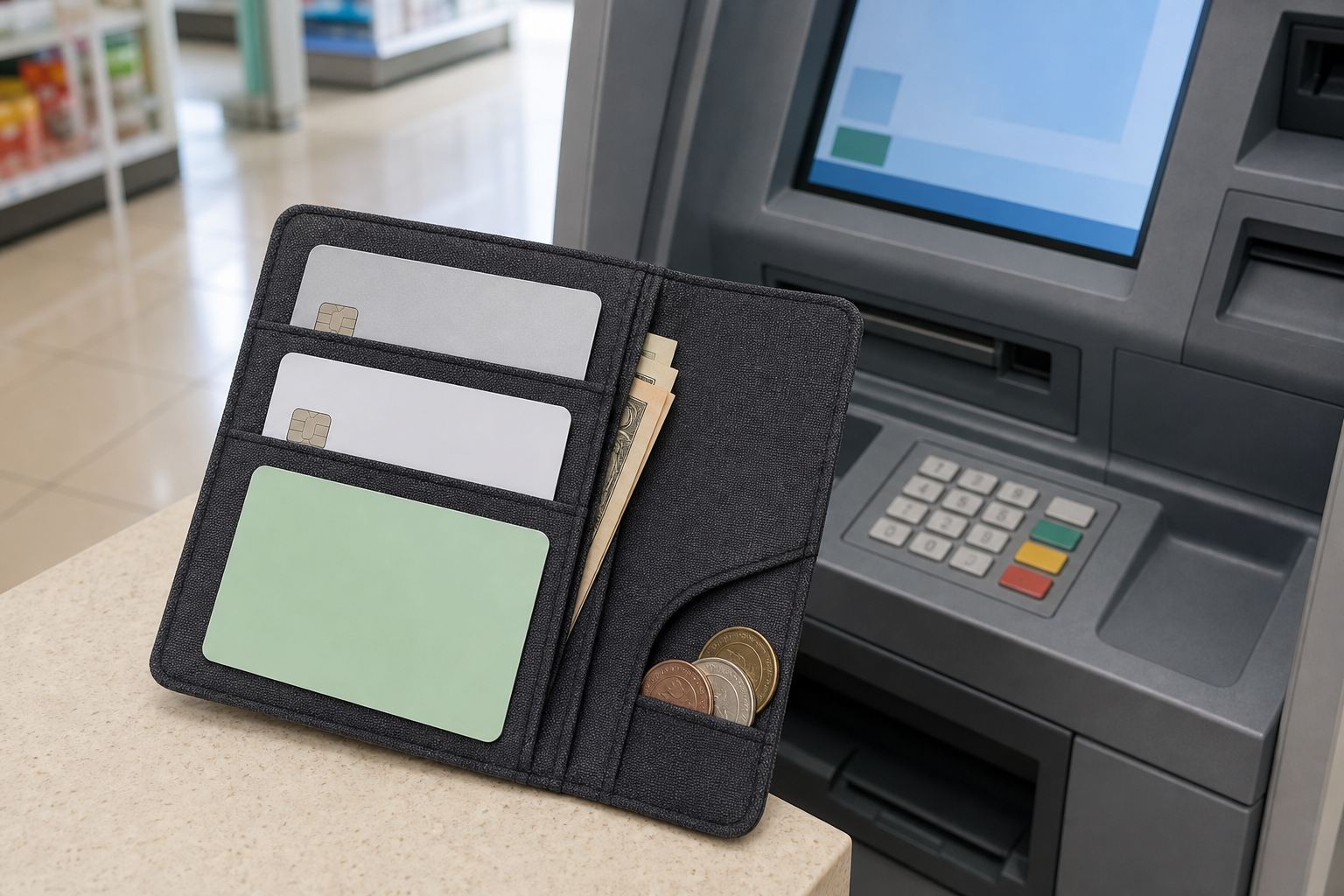
Nagoya is easy to navigate with a three-part payment setup: use a Visa or Mastercard for hotels, department stores and larger restaurants; carry a rechargeable IC card for everyday transport and small contactless purchases; and keep a modest yen reserve for places where cards or overseas phone wallets do not work. The mistake is not choosing the “wrong” single method. It is relying on only one method.
For most visitors, the practical default is one physical payment card, one backup card stored separately, an IC card, and enough cash to cover a meal, local transport and a return to the hotel. Withdraw more only when your next day includes markets, small independent restaurants, rural side trips or cash-only ticket purchases. This keeps ATM fees under control without leaving you exposed when a terminal rejects your card.
Last checked and official sources
Last checked: August 3, 2026. Payment acceptance, ATM service hours, card-brand support and withdrawal limits can change. Recheck the linked operator pages before travel, especially around public holidays or system-maintenance periods.
Use these primary sources rather than an old social-media post:
- JNTO: cashless payments in Japan — national guidance on card, contactless and IC-card acceptance.
- Seven Bank: overseas cards usable at ATMs — supported network marks, service times and per-withdrawal limits.
- Japan Post Bank: International ATM Service — supported overseas cards and location-dependent service hours.
- JR Central: TOICA purchase information — the official rules for buying JR Central’s regional IC card.
- Centrair: ATM locations and currency exchange — useful if Nagoya is your first stop in Japan.
JNTO says overseas-issued cards are commonly accepted at major hotels, department stores, large shopping centers and urban restaurants, but it still recommends carrying cash. Seven Bank lists Visa/PLUS, Mastercard/Maestro/Cirrus, UnionPay, American Express, JCB, Discover and Diners Club marks, while warning that an individual card can still be declined. Japan Post Bank lists a similarly broad set of overseas card networks and advises travelers to confirm card usage with their issuing bank.
Quick decision table: what should you use?
| Payment method | Best for in Nagoya | Do not rely on it when | Main check |
|---|---|---|---|
| Physical credit/debit card | Hotels, department stores, larger restaurants, major retail | The merchant displays no card logo, your issuer blocks Japan, or the terminal requires an unsupported verification method | Tell your bank you are travelling if required; know your PIN |
| Yen cash | Small restaurants, markets, lockers or machines that explicitly require cash, emergency backup | You would need to carry your entire trip budget at once | Split the reserve between wallet and luggage/hotel safe |
| IC card such as TOICA, manaca, Suica or ICOCA | Local trains, subways, buses and participating convenience stores or vending machines | Long-distance tickets, merchants without the IC logo, or a balance that cannot cover the fare | Keep enough cash available for purchase/recharge where required |
| Phone wallet | Fast contactless payment when your device and card combination is supported | An overseas wallet does not provision correctly, the battery dies, or the merchant accepts a different local system | Set it up and test it before depending on it |
| Airport currency exchange | Arrival fallback when no card works and you brought foreign cash | You are assuming the airport rate will be the cheapest option | Compare the displayed rate and total received before exchanging |
A card logo is an acceptance signal, not a guarantee. A terminal can still reject a transaction because of issuer controls, offline processing, PIN requirements or a temporary network problem. Treat your backup card and cash reserve as part of the plan, not as evidence that Nagoya is difficult to pay in.
Build your Nagoya cash reserve with a simple calculator
There is no universal “correct” amount of cash because a traveler eating in hotel restaurants has a different risk profile from someone doing early-morning markets and rural day trips. Use this planning formula instead:
Cash reserve = one cash-only meal + one day of local transport/recharge + one small-ticket buffer + emergency ride/return buffer.
Do not copy a fixed yen number from an undated blog. Fill the formula with the prices shown in your current itinerary and official fare tools. Then round up enough that one card outage will not force you to cancel the day.
| Traveler scenario | What to include in the reserve | ATM strategy |
|---|---|---|
| Card-first city weekend | One casual meal, local transit fallback and a small emergency buffer | One arrival withdrawal may be enough; recheck after the first day |
| Food-focused trip | Two small or independent meals, market purchases, transit and emergency buffer | Use fewer, larger withdrawals if your bank charges a flat fee, but do not carry the full trip budget |
| Nagoya plus rural day trips | Meals, local buses or machines that may need cash, lockers and return buffer | Withdraw before leaving the city; do not assume the destination has a compatible ATM |
This is a resilience calculator, not a spending forecast. Keep accommodation and major reserved transport on a card where accepted, then use the cash reserve only for the parts of the day that genuinely need it. If your bank charges both a fixed withdrawal fee and a foreign-exchange markup, compare the full cost—not only the ATM’s displayed fee.
Where to withdraw cash in and around Nagoya
Seven Bank ATMs are often the simplest first attempt because they are common in 7-Eleven stores and other locations. Seven Bank’s current official page says its ATMs operate 365 days a year. It lists a limit of ¥100,000 per withdrawal for overseas-issued cards and ¥30,000 for magnetic-stripe transactions. Your issuing bank may impose a lower daily or per-transaction limit, and fees vary by card brand and issuer.
Japan Post Bank ATMs are the main backup. Its official international service supports cards carrying Visa, PLUS, Mastercard, Maestro, Cirrus, JCB, China UnionPay and Discover marks. Service hours depend on where the ATM is installed. The bank currently lists broader daytime hours for machines at post offices and near-round-the-clock hours for compact machines in some FamilyMart stores, with maintenance and holiday exceptions. Check the exact ATM rather than assuming every Japan Post machine is available all night.
If you arrive at Chubu Centrair International Airport, the airport’s official services directory lists ATMs in multiple areas and separate currency-exchange counters. Withdraw or exchange a small arrival reserve before taking the train only if you need it; there is no reason to convert your whole budget at the airport. For the airport-to-city route itself, use our Centrair to Nagoya guide to decide what ticket or payment setup you need before leaving the terminal.
ATM withdrawal checklist and fee traps
Use this sequence at the machine:
1. Check that your card’s network mark appears on the ATM or official operator page.
2. Confirm that overseas withdrawals and your daily limit are enabled with your bank.
3. Select English before entering account or withdrawal details.
4. When offered a choice, read whether the transaction will be charged in yen or converted into your home currency.
5. Review the ATM fee, issuer fee and exchange-rate choice before confirming.
6. Take the cash, card and receipt before stepping away.
7. Record the withdrawal in your trip budget and move excess cash out of your daily wallet.
Be cautious with dynamic currency conversion (DCC). It may show the final amount in your home currency, but convenience does not automatically mean a better rate. Compare it with paying or withdrawing in yen under your card issuer’s conversion terms. If the screen is unclear, cancel safely and try another official ATM rather than guessing.
Scam warning: never accept “help” from a stranger who asks to handle your card, watch your PIN or move the transaction to another device. Shield the keypad, use machines inside a convenience store, post office, station or airport, and contact your issuer through the number on the card if it is retained. This is the main payment safety boundary: a failed withdrawal is inconvenient, but sharing a PIN or losing control of the card is a larger risk.
Cards in hotels, restaurants and shops
In central Nagoya, physical cards are the best default for accommodation, department stores, shopping centers and larger chains. JNTO identifies Visa, JCB and Mastercard as widely accepted brands in Japan and notes that overseas-issued cards can be used at affiliated merchants. Still, look for the logo at the entrance or register before ordering, especially at small restaurants.
Carry the physical card even if it is loaded into your phone. Overseas Apple Pay or Google Pay combinations do not work identically in every Japanese terminal, and a device failure can remove both your map and payment method at once. A second card should use a different network or issuer where possible and should be stored separately from your main wallet.
At a hotel, ask whether payment will be taken at booking, check-in or check-out and whether a deposit or preauthorization is required. For area choice and late-night access back to your accommodation, pair this payment plan with our where to stay in Nagoya guide. The right base reduces the need for emergency taxis and late cash withdrawals.
IC cards: transport wallet, not complete cash replacement
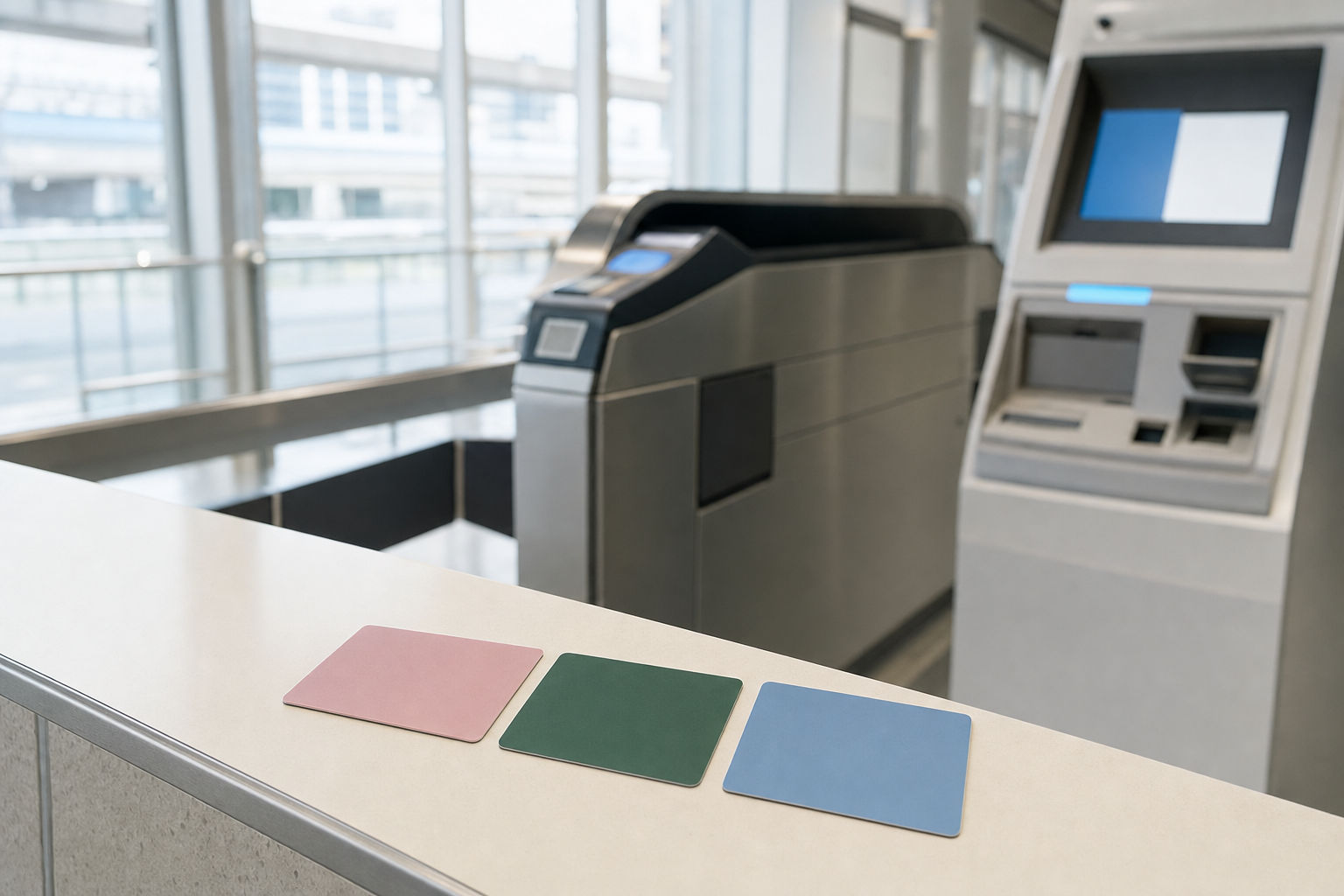
Nagoya sits in the JR Central and manaca region, but interoperable IC cards such as Suica and ICOCA are also useful on participating transport and payment terminals. JNTO explains that compatible IC travel cards can be used across the national interoperable transport system and at many convenience stores, shops and vending machines displaying the relevant logo.
JR Central’s official TOICA page currently states that a standard card costs ¥2,000: a refundable ¥500 deposit plus ¥1,500 loaded value. It also says TOICA purchases are cash-only. That detail is exactly why a visitor should not arrive with only a credit card and phone wallet. Card purchase and recharge rules can differ by operator, machine and product, so follow the instructions on the machine and keep a small cash reserve.
Use an IC card to remove friction from ordinary local travel, not to store a large trip budget. Check the balance before a busy station transfer, and keep enough yen to recharge or buy a paper ticket if the card cannot be used. Our Nagoya one-day itinerary shows how multiple local rides can accumulate across a sightseeing day.
A failure-proof payment setup before arrival
Complete this short checklist before flying:
- Confirm both cards allow Japanese point-of-sale and ATM transactions.
- Memorize or securely know the PIN; signature-only assumptions are risky.
- Save the issuer’s international support number somewhere separate from the card.
- Carry one physical backup card in a different bag.
- Bring a small amount of yen or a major foreign currency only as an arrival fallback.
- Decide your first official ATM: Centrair, Seven Bank or Japan Post Bank.
- Download essential maps or addresses in case the phone battery or data connection fails.
- Recheck official ATM and transport-card pages in the week before travel.
If the first ATM declines your card, do not repeat the same attempt many times. Check the network mark, try the other account type only if you know it is correct, then contact the issuer or switch to a different supported operator. Repeated attempts can trigger issuer security controls.
FAQ
Is Nagoya cash-only?
No. Cards and contactless payments are common at major urban businesses, but cash remains a necessary backup for some small merchants, machines and unexpected failures. Plan for mixed payment rather than describing the city as either cashless or cash-only.
Which ATM should a foreign visitor try first?
Seven Bank is a practical first choice because its official service supports many overseas card networks and operates through a large convenience-store footprint. Japan Post Bank is the strongest backup. Compatibility still depends on the individual card and issuer.
Should I choose yen or my home currency at the ATM?
Read both options carefully. Choosing your home currency can involve dynamic currency conversion. Compare that offered conversion with your issuer’s terms for a yen transaction; do not assume the home-currency display is cheaper.
Can I buy and recharge a Nagoya IC card with a credit card?
Do not assume so. JR Central’s current TOICA page says the standard card purchase is cash-only. Other products and machines may have different rules, so check the operator and keep yen available.
How much cash should I carry each day?
Carry enough for the cash-dependent parts of your planned day plus an emergency return buffer, not your entire trip budget. Increase the reserve before rural day trips or food-focused outings; reduce it when major costs are prepaid or reliably card-accepted.