Tebasaki in Nagoya: Where to Eat Chicken Wings, What to Order, and How to Choose
A practical guide for international travelers on tebasaki chicken wings nagoya, covering the best next steps, tradeoffs, and when to call a pro.
A practical guide for international travelers on tebasaki chicken wings nagoya, covering the best next steps, tradeoffs, and when to call a pro.
Nagoya-style tebasaki are not simply fried chicken wings. The city’s best-known versions are small, crisp, boldly seasoned wings designed to be eaten with drinks and shared plates. The useful decision is not whether to try them, but which style fits your evening: Furaibo’s sweeter glazed original, Sekai no Yamachan’s dry and peppery version, or a quieter specialist where wings are one part of a broader chicken meal.
> Current-source check — checked August 1, 2026. Branches, opening hours, last orders, prices, and reservation policies can change. Confirm the exact shop on the Furaibo official branch directory or Sekai no Yamachan official website before leaving. Nagoya’s official tourism site describes Furaibo as the restaurant that introduced the city’s famous fried wings and maintains a current Furaibo visitor listing. The prices below are planning figures from official pages available on the checked date, not a promise of what every branch will charge.
The short answer: choose by flavor and location
| Your priority | Best starting choice | Why | Main tradeoff |
|---|---|---|---|
| Classic, glazed Nagoya style | Furaibo | The chain identifies itself as the originator of tebasaki karaage; the wings lean savory-sweet with sauce, sesame, and pepper | Branch menus and atmosphere vary |
| Maximum pepper and crunch | Sekai no Yamachan | Its Maboroshi no Tebasaki are drier, heavily peppered, and easy to order in rounds | The seasoning can be too assertive for spice-sensitive diners |
| Fast meal near the Shinkansen | Furaibo ESCA or Shinkansen Exit | Both are on the west side of Nagoya Station; ESCA opens for daytime dining and has takeaway | Station-area queues can build around meal times |
| Lively late dinner in central Nagoya | A Sakae or Nishiki branch | More branches and izakaya context make it easier to combine wings with drinks and other Nagoya dishes | Nightlife streets are less convenient with luggage |
| A calmer, fuller chicken dinner | Yama Nagoya Station or another specialist | More space and a broader chicken-focused menu than a basic wing stop | Usually costs more than a quick wing-and-drink visit |
Editorial verdict: first-time visitors should choose Furaibo if they want the historical reference style, and Yamachan if they want the city’s most recognizable pepper-forward contrast. If you have two evenings, trying one portion at each reveals more than ordering three portions at one place.
What Nagoya tebasaki taste like
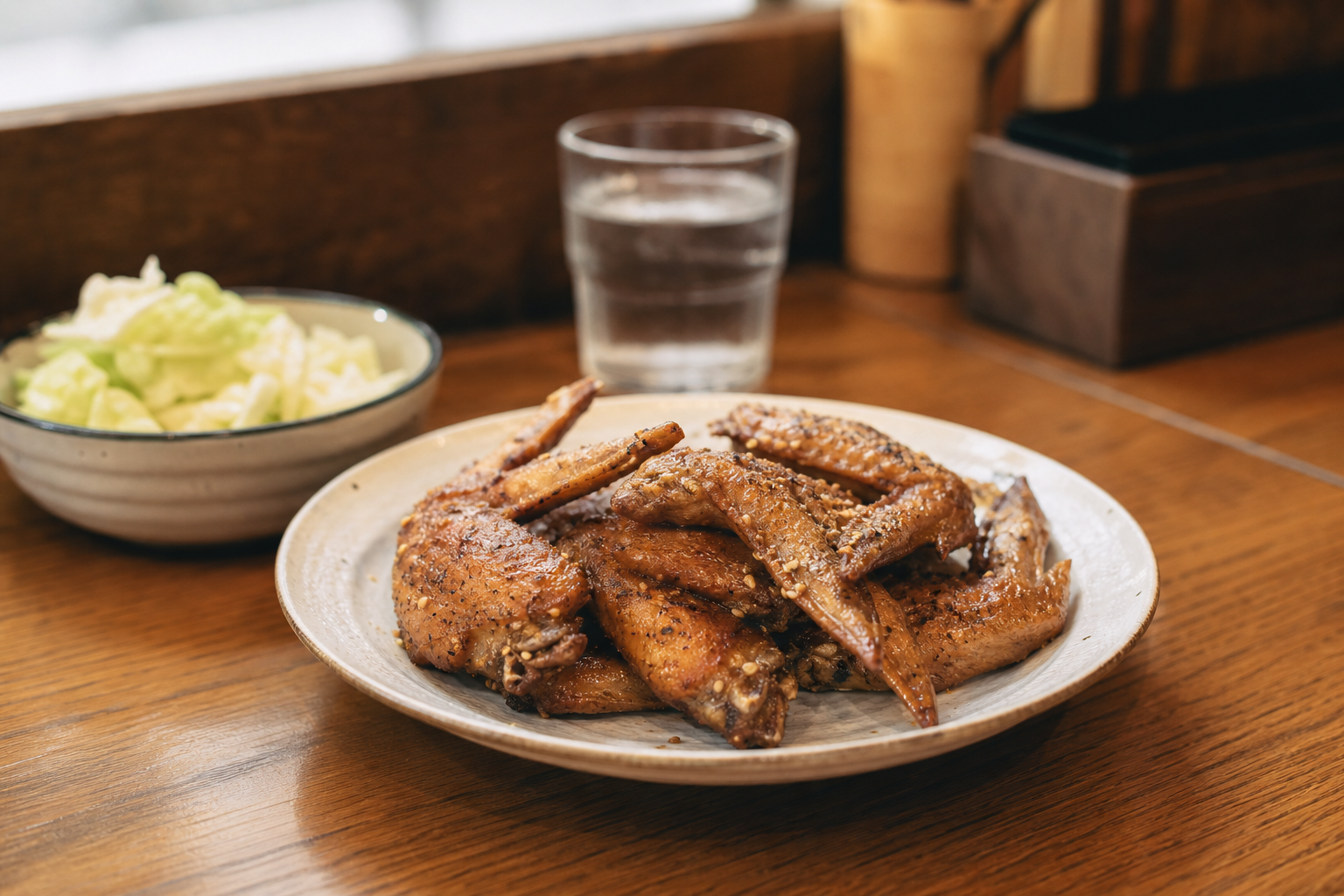
Tebasaki literally refers to the wing tip, but restaurant orders usually mean fried chicken wings seasoned after frying. Unlike thickly battered wings, Nagoya versions typically emphasize thin, crisp skin. Sauce or seasoning clings to the exterior rather than forming a heavy coating.
Furaibo says its founder applied a tare sauce concept to chicken wings and created its signature tebasaki karaage. Expect a glossy surface, sweet-salty depth, sesame, and a controlled pepper finish. Yamachan’s signature wings are comparatively dry, fragrant, and visibly peppered. They arrive crisp and can taste increasingly spicy as you work through a portion.
Neither style is boneless. Small bones are part of the experience, and one serving is a tasting portion rather than a complete dinner. Build a meal with cabbage, vegetables, rice, noodles, or another protein instead of treating repeated wing orders as your only food.
Price and portion planner
Sekai no Yamachan’s official shop material listed its signature five-wing portion at ¥651 including tax on the checked date. Treat roughly ¥600–¥800 per standard portion as a realistic planning range across mainstream shops, then verify the branch menu. Specialty venues, set meals, delivery, and takeaway packaging may differ.
| Party | Sensible first order | Approximate wing budget | Add for a proper meal |
|---|---|---|---|
| Solo diner | 1 portion | ¥600–¥800 | 1–2 side dishes and a drink or rice |
| Two people | 2 portions, ideally one at a time | ¥1,200–¥1,600 | 2–4 shared dishes |
| Family of four | 3 portions first | ¥1,800–¥2,400 | Rice, vegetables, and non-spicy dishes |
| Wing comparison night | 1 portion at two shops | ¥1,200–¥1,600 per person before sides | Keep drinks modest and allow walking time |
Ordering one round first is the better strategy. Wings are richest and crispiest when hot, and you can add another plate quickly. Budget ¥1,500–¥3,000 per adult for a casual izakaya meal with wings, sides, and one drink; a premium chicken restaurant or several drinks will cost more. Cover charges or mandatory appetizers may apply at some izakaya, so ask if the bill structure matters to you.
Three practical tebasaki routes
Route 1: Nagoya Station, minimum detour
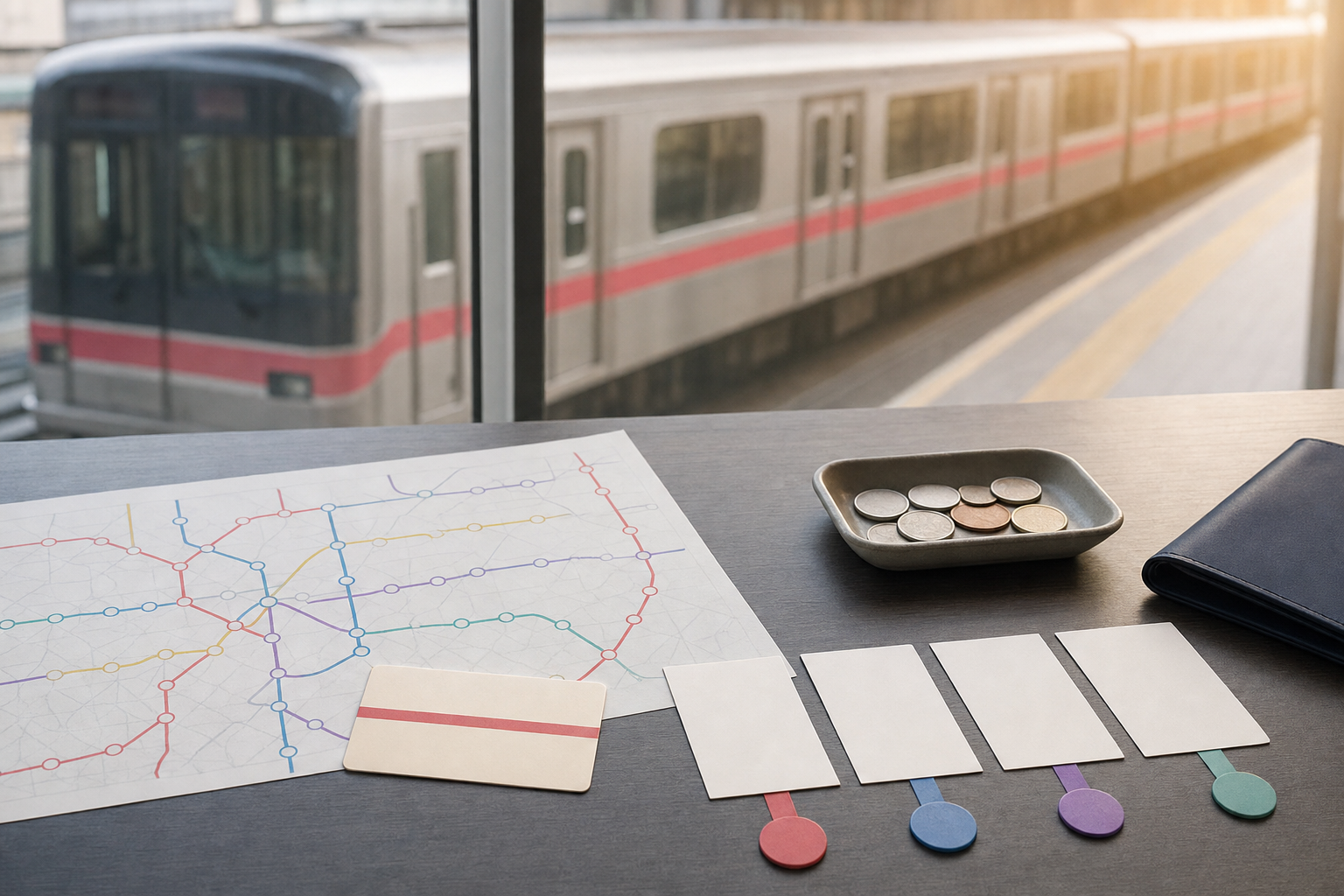
From the Shinkansen gates, follow signs for the Taiko-dori side and ESCA underground shopping street. Furaibo’s official ESCA page says the branch opens from 11:00, serves a wing lunch, offers takeaway, and does not accept reservations. That makes it the simplest option during a transfer or before departure. Allow 10–15 minutes to orient yourself in the station and more during peak periods.
If you are staying east of the main station, consider a Meieki branch rather than crossing the complex twice. Use our Meieki area guide to choose the correct side of the station, exits, and luggage strategy.
Route card: Shinkansen gates → Taiko-dori Exit signs → ESCA basement → restaurant. Best for luggage and daytime visits. Backup: buy takeaway or use another Meieki branch listed on the official directory.
Route 2: Sakae and Nishiki, best for an evening
Sakae has the strongest concentration of nightlife, hotels, and izakaya choices. Use an official branch finder, choose a shop within a short walk of your hotel, and save its Japanese name and map pin before leaving. Nishiki’s streets become busy at night; groups should arrive before the main dinner rush or reserve where the branch permits it.
This route works well after Oasis 21, Hisaya-odori, or shopping. Our Sakae area guide explains the station exits and which blocks suit a quieter meal versus a nightlife-focused evening.
Route card: Sakae Station → confirm the nearest exit in the branch listing → walk 5–10 minutes → order one wing portion immediately, then build the meal. Backup: move to a second official branch rather than waiting indefinitely at one doorway.
Route 3: Fushimi, quieter middle ground
Fushimi sits one subway stop from Nagoya Station on the Higashiyama Line and one stop from Sakae. It is a practical base for diners who want central access without committing to the busiest station or nightlife blocks. Check nearby wing restaurants on the day, because the exact best branch can change with opening days and group bookings. Pair dinner with a walk toward Sakae only if your group still has energy. See the Fushimi area guide for station orientation and evening fit.
How to order without confusion
Useful terms are simple:
- Tebasaki (手羽先): chicken wings.
- Tebasaki karaage (手羽先唐揚): fried chicken wings.
- Ichi-ninmae (一人前): one standard serving.
- Kara-sa hikaeme (辛さ控えめ): less spicy. Whether this is possible depends on the kitchen and whether seasoning is applied in batches.
- Mochikaeri (持ち帰り): takeaway.
- Nama biiru (生ビール): draft beer.
- O-kaikei onegaishimasu (お会計お願いします): the bill, please.
Pointing to the menu and saying “tebasaki, ichi-ninmae” is enough for one portion. At Yamachan, the signature name is Maboroshi no Tebasaki. Ask for pepper to be reduced before ordering, not after the plate arrives, but accept that a signature recipe may not be customizable.
How to eat bone-in wings neatly
Restaurants sometimes illustrate their preferred method, but no performance is required. Hold the thicker end, separate or loosen the joint, and pull the meat from the bones with your teeth. Place bones in the provided dish. Wet towels are for your hands, not for wiping the table.
For children or anyone uncomfortable with bones, do not rush the one-pull technique. Separate the joints and eat slowly. Small bones are a choking risk; supervise children and choose a boneless side dish when appropriate. Hot oil, pepper, and sticky glaze also make tebasaki a poor walking snack in a crowded station. Sit down whenever possible.
Allergies, dietary needs, and alcohol
Chicken wings are not vegetarian or halal by default. Fryers may be shared, sauces may contain wheat or soy, and kitchens may use alcohol-derived seasonings. Sesame is a common topping. Recipes and cross-contact practices vary by chain and branch, so do not infer safety from an English menu or remove a garnish yourself.
If an allergy is medically significant, carry a Japanese allergy card listing the exact ingredients and ask staff before ordering. If the restaurant cannot confirm ingredients or shared-fryer handling, choose another meal. Nagoya tebasaki venues are often izakaya; minors can usually eat food with adults, but smoking rules, noise, seating, and late hours differ. Drink responsibly and use the subway or a taxi rather than driving.
Safety note for a late izakaya evening
Check official travel advisories and local weather alerts if disruption is possible, keep your hotel address available offline, and avoid accepting unsolicited invitations or following street touts into an unverified venue. If you feel unwell after eating, stop drinking alcohol and seek medical help; serious breathing difficulty or other signs of anaphylaxis are an emergency in Japan, where the ambulance number is 119. These precautions are not a substitute for checking ingredients with the restaurant before ordering.
Queue strategy and common mistakes
1. Do not choose by a map pin alone. Confirm the pin against the chain’s official directory; branches close, relocate, or operate different hours.
2. Avoid arriving with a large suitcase at 19:00. Use a station locker or hotel storage. The where to stay in Nagoya comparison helps match your dinner area to your base.
3. Do not order four portions immediately. Compare the heat and salt level first.
4. Do not assume every shop serves lunch. Furaibo ESCA explicitly advertises daytime service, but many izakaya-focused branches open later.
5. Do not build a tight itinerary around one restaurant. Keep a same-area backup and verify last order, not only closing time.
6. Do not treat “less pepper” as allergy protection. Recipe modification does not address cross-contact.
For a one-day visit, place tebasaki at the end of the route rather than crossing town for lunch. Our Nagoya one-day itinerary keeps the sightseeing path efficient and leaves dinner flexible. If you also want miso katsu, use the practical ordering and branch notes in our miso katsu guide and split the two specialties across separate meals.
A realistic tebasaki evening plan
At 17:30, confirm the branch page, walking route, and last order. Arrive around 18:00 if you dislike queues. Order one portion of wings, a vegetable dish, and a drink. After tasting, decide whether to add another portion or a substantial local dish. Allow 60–90 minutes for a relaxed meal.
If the first shop has a long wait, use the official directory to find a branch in the same district. Do not spend 40 minutes crossing central Nagoya to save 10 minutes in a queue. The best wing plan is geographically boring: eat near where your evening already ends.
FAQ
Are Nagoya tebasaki very spicy?
Yamachan’s pepper-forward seasoning can feel hot, especially over several wings. Furaibo is generally perceived as more sauce-led and sweet-savory, though it still uses pepper. Ask whether reduced seasoning is available and order one portion first.
Which is better, Furaibo or Yamachan?
Neither is universally better. Furaibo is the stronger first choice for origin story and glazed balance; Yamachan is better for pronounced pepper and dry crunch. Try both if food comparison is part of your trip.
Can I get tebasaki near Nagoya Station?
Yes. Furaibo lists ESCA, Shinkansen Exit, Century Toyota Building, and other Meieki-area options on its official site, while Yamachan also operates station-area restaurants. Verify the branch on the day because hours and closures change.
Is takeaway a good idea?
It is practical for a train or hotel meal, and Furaibo ESCA advertises a takeaway counter. The wings lose some crispness as they sit, so eat them soon, protect your clothes from sauce, and follow railway etiquette regarding aromatic food.
How many wings should I order?
Start with one standard portion per adult if wings are the focus, or one portion for two people if you are ordering several Nagoya dishes. Add more only after tasting the seasoning.
Do I need a reservation?
Policies vary. Furaibo’s ESCA branch explicitly says it does not accept reservations. Larger or premium shops may take bookings. Check the exact official branch page rather than assuming one chain-wide rule.
Final takeaway
Choose the district first, then the wing style. Furaibo offers the historical, sauce-glazed reference; Yamachan delivers the sharper pepper-and-crunch contrast. Verify the official branch page, arrive before the dinner peak, order one portion before scaling up, and keep a nearby backup. That approach produces a better Nagoya meal than chasing a vague “best” shop across town.